
The 5 worst freshwater aquarium fish
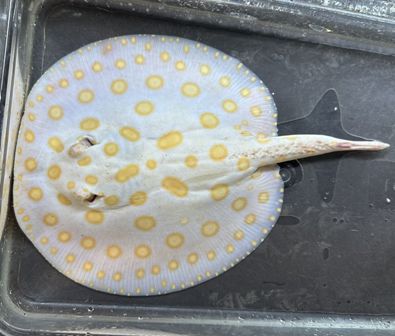
Albino Black Diamond Stingray
Easy is probably not an option with most of these dangerous freshwater aquarium fish.
Expensive, exciting, weird, scary are the real options.
Enter at your own risk.
FYI: When chosing the fish for article I choose fish that were either too mean, too expensive, grew too big, needed a tank to themselves, or were rarely seen in the trade. They also had to be “exotic.”
Article Index – Clicking on the fish name will take you to that listing.
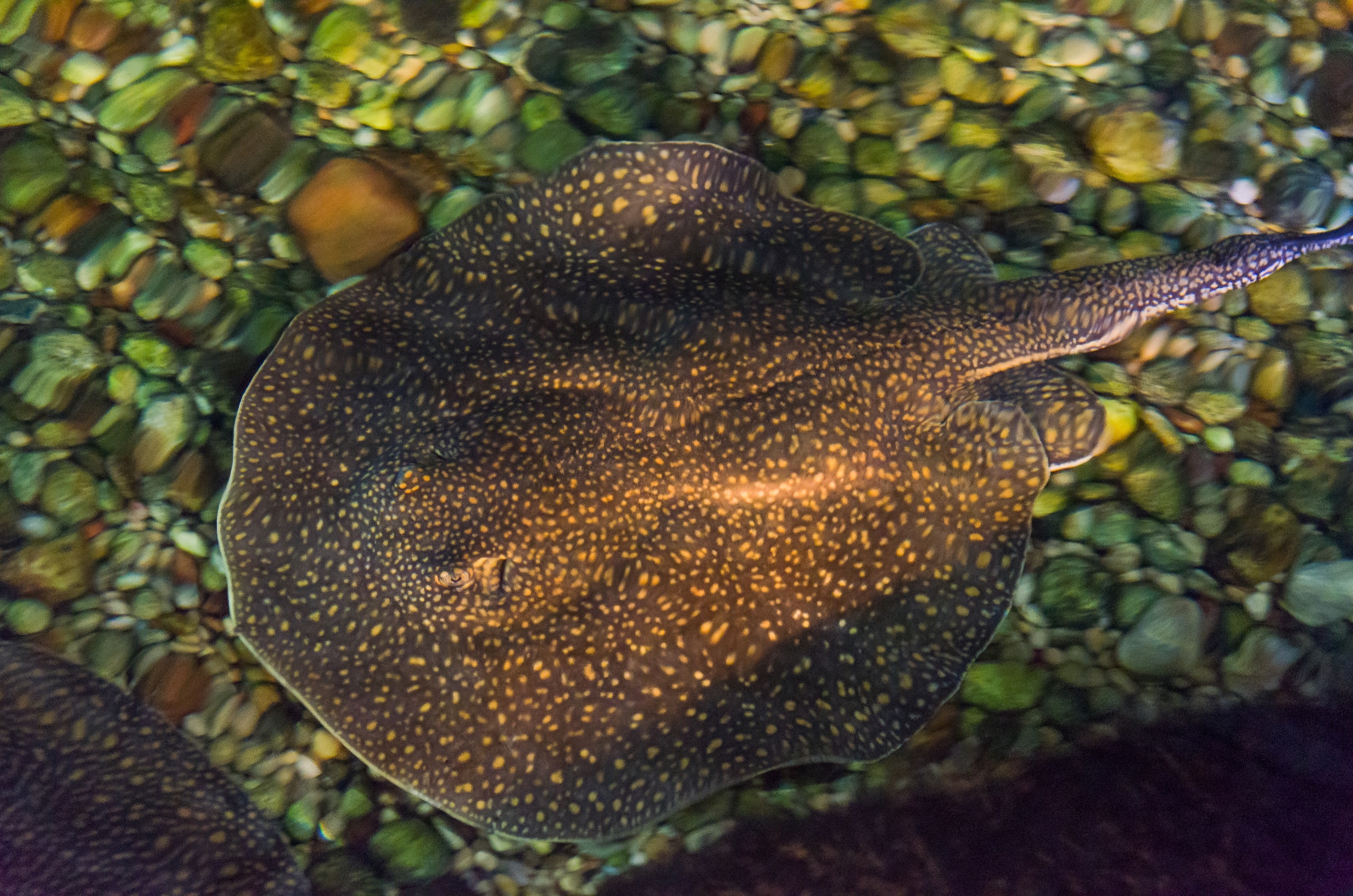
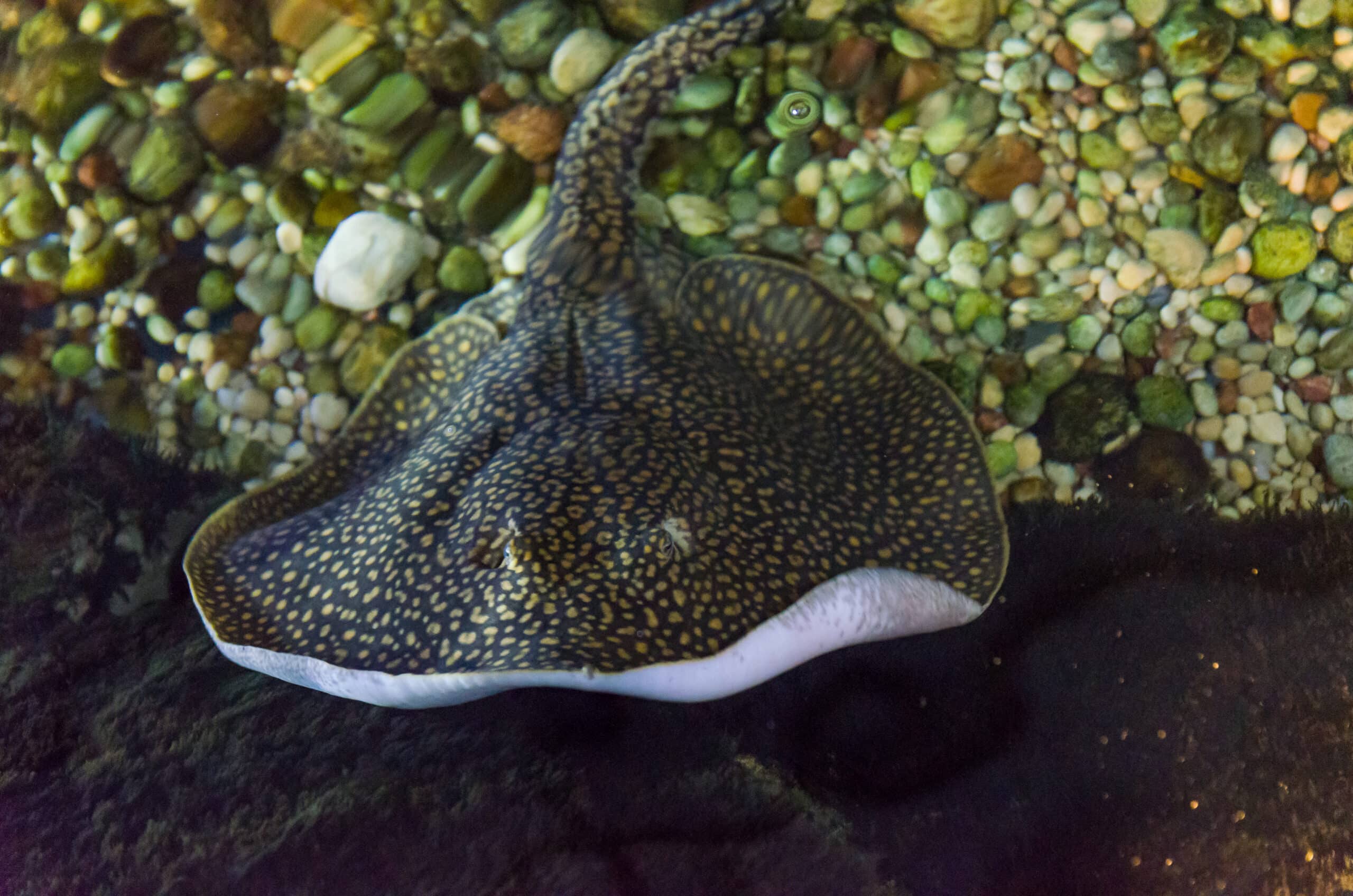
Freshwater Stingray
The king of all pancake shaped, aquarium fish.
These fish need a giant tank. Best guess is 200 or more gallons based on the length of the adult stingray.
Ease of care: Freshwater Stingrays are challenging to keep. Rays require a super-sized tank, soft water, and have a dangerous stinger in the tail. They need sand at the bottom of the tank in which they will constantly dig. Stingrays are the ditch digger of your aquarium.
How big do freshwater stingrays get? 18-inch body and 12-inch tail (Two and a half feet long. Important number. Make sure you tank is large enough).
Recommended minimum tank size: 125 gallons per fish, but at least 200 plus would be better.
How much do freshwater stingrays cost? Each Ray will $300 to $1500 or more.
Compatibility: Compatible with most gentle, similar-sized community fish. Will eat smaller tank mates.
What do freshwater stingrays eat? Just about anything bearing in mind that they are carnivores. Maybe even including your hand?
Now you’re ready to show off. What aquarium hobbyist has a stingray in their freshwater tank? One answer to that question is “wealthy people,” as freshwater stingrays can run in the hundreds of dollars.
For example, a freshwater Polka Dot Stingray, Potamotrygon Leopoldi is a showstopper if you have the cash to spare and dig aquariums instead of Bentleys. A genetic defect gives the fish a U-shaped body rather than a round one and deforms the mouth, requiring daily hand feeding. Extra special care is a small price to pay to raise a fascinating shark relative.
References and additional information
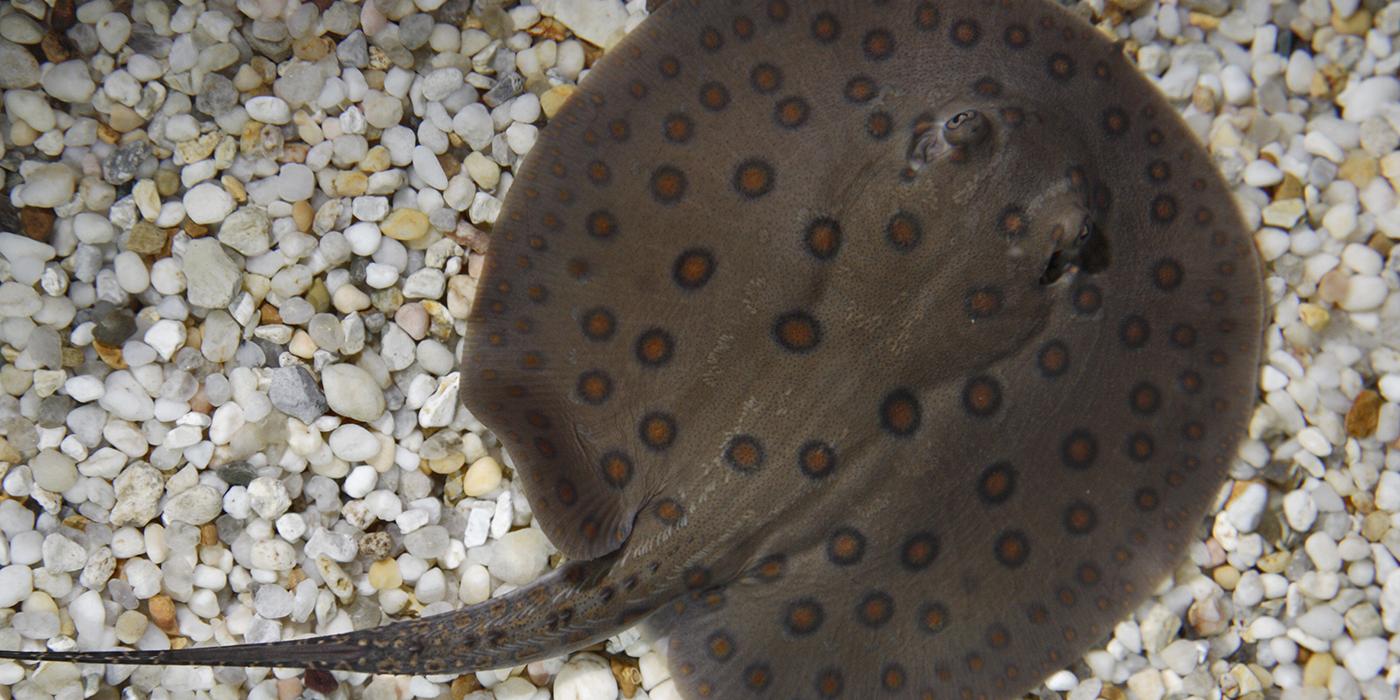

My pick for Best On Amazon for "Oscar Tankmates":
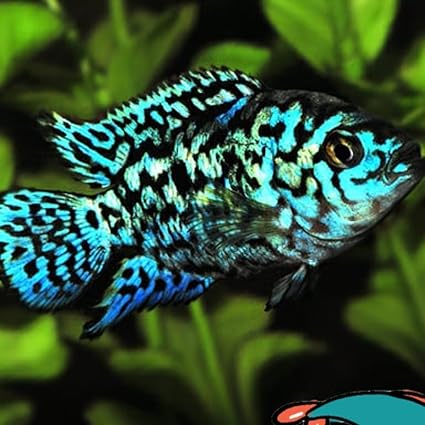
Electric Blue Jack Dempsey Cichlid
Choice was based on:
⇒ Outstanding colors on the adults.
⇒ Jack Dempseys may grow to be up to 15 inches long. Perfect for a tank filled with other large fish.
⇒ Seller and fish has many, many positive reviews
⇒ Tap this box to view current price
Tap this box to view current price.
Golden Gar – Alligator Gar
Atractosteus spatula
Golden Gar
An aquarium fish only if you can afford the aquarium that would house this monster.
Ease of care: “Don’t try this at home!” might be an appropriate saying for a Golden Gar. Care is difficult to impossible due to how large of an aquarium is needed for this active fish.
How big do golden gars get? 9 feet+ (!)
Recommended minimum tank size: 400 gallons? There is little information on how to keep this fish in an aquarium.
How much do golden gars cost? I saw one listed for $3500. Be careful what you buy. I saw alligator gars for sale (cheap) as aquarium fish, but alligator gars can grow to 400 lbs.
Compatibility: Gars will happily eat any tank-mate that they can fit in their mouth.
What do Golden gars eat? Live foods but can be trained to eat frozen live foods.
Known to be “worth its weight in gold,” a Golden Gar can fetch prices over $4,000. If you can afford it, the sunburst coloration from gold on the back to yellow on the belly, paired with the distinctive bottlenose, will raise the eyebrows of fish enthusiasts and amateurs alike. The purchase price is where the expenses start with these fish. Gar fish have a monstrous appetite and need at least 400 gallons of filtered water to lord over.
Gar Information:

Warning: If you have the opportunity to buy this fish, don’t. It can grow to nine feet long.
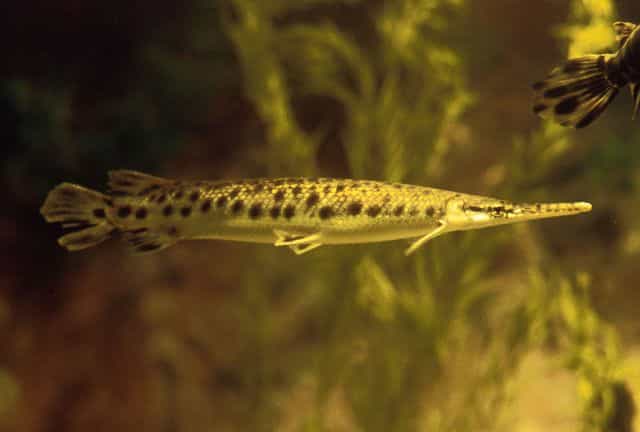
Gar Fish (Golden Gar?)
Picture from Wikipedia Public Domain, Link
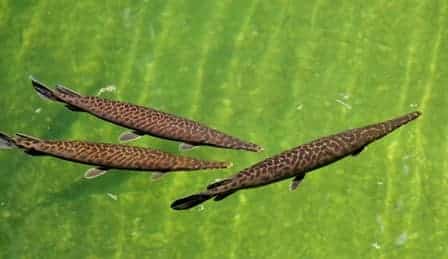
Common gar fish
Big, gentle giant, unless you are a fish that can fit in its mouth.
As you might expect from the name, the long, sea-green body of a Rope fish (aka Reed fish or Snake fish) resembles that of a slithery water snake. If you are pond-fishing in west or central Africa and catch one, don’t panic. They’re harmless to humans.
Rope fish have pulled off a fascinating adaptation to survive Africa’s harsh climate swings. They can temporarily breathe air. If a pond becomes uninhabitable (dries out) a Rope fish can slither out of it and survive a short, flopping overland trek to the next pond. Therefore, keep your rope fish in a tank with no gaps, in case it heads out for greener pastures, like your toilet.
Ease of care: Medium due to how big they get
How big do ropefish get? 36″ in length – Buy an enormous aquarium because this fish get’s huge.
Recommended minimum tank size: At least 250 gallons.
How much do rope fish cost? $15 to $30 and up depending on size.
Compatibility: Timid fish. They need lots of good hiding places. May be bullied by other tank mates despite its size.
What do Rope fish eat? Rope fish are carnivores. They can be fed live foods, feeder fish, live insects, frozen “live” foods, and chopped meats.
References and Information:
Erpetoichthys calabaricus
Reed (Also: Reedfish; Snake Fish; ropefish)

Vampire Tetra
Piranha’s meaner cousin – These bad boys get big: 11 inches or more!

Vampire Tetra – photo provided by Wikipeida
Ease of care: Very difficult
How big do vampire tetras get? Up to 11 inches. I have seen pictures of Vampire Tetras that were 2 feet long (Amazon Caught).
Recommended minimum tank size: At least 100 gallons. This fish needs room to swim, and it needs clean water.
How much do vampire tetras cost? $80 and up, each
Compatibility: Keep with other fish the same size or larger. Smaller fish will be eaten.
What do Vampire Tetras eat? If you want your vampire tetra to live longer than six months, a varied live diet is a must. Might take frozen live foods.
The Vampire Tetra adds a note of deep-sea terror to a freshwater fish collection, with its large intimidating mouthful of fangs. As you might guess, this fish does not play well with others. It eats live fish, rarely accepting frozen food. Only living a few years, it is best suited to its own tank and expert-level care.
Additional Information about Vampire Tetras:
And now number 5 on my list of the most dangerous freshwater aquarium fish: Zebra Shovelnose Catfish
Have too many aquarium fish? Get one of these guys. That’ll take care of that problem.
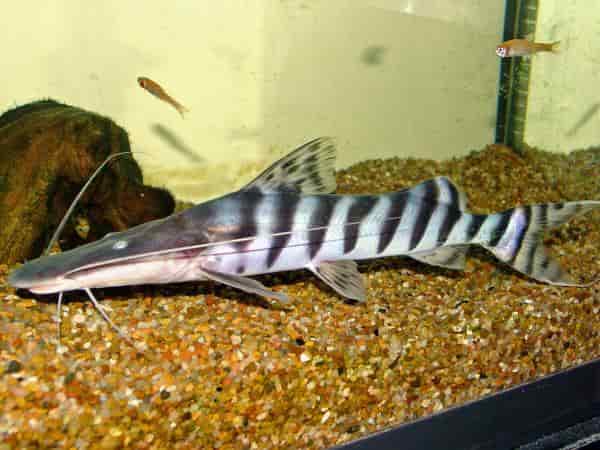
Zebra Shovelnose Catfish
Ease of care: Very difficult. These fish grow very large. Best left to public aquariums.
How big do zebra shovelnose catfish get? They can grow up to several feet.
Recommended minimum tank size? 1000 gallons +
How much do zebra shovelnose catfish cost? Info I found said $1200. I could not find one for sale online.
Compatibility: Catfish will eat any fish that will fit their enormous mouths. This fish will grow large enough for that to become a concern with all tank mates.
What do zebra shovelnose catfish eat? Everything but primarily carnivore based foods.
Expensive at north of $1,200, this catfish is a native of the Amazon River Basin and features spectacular diagonal white and black stripes. Growing up to several feet, it needs a lot of tank space.
Additional info about this catfish: