How To Grow Java Fern in Your Aquarium – Top 10 Things to Know
This plant is practically bulletproof, and I’ve seen it thrive in tanks where other plants wouldn’t stand a chance. Let me walk you through what really matters when growing this beauty.
1. Never Bury the Rhizome
This is the number one mistake beginners make, and I see it all the time. That thick, horizontal stem where all the leaves sprout from? That’s the rhizome, and it needs to stay exposed. Bury it in substrate, and you’re basically suffocating the plant. It’ll rot, turn brown, and eventually fall apart.
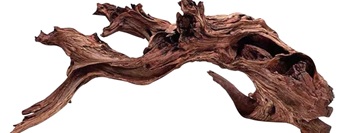
Instead, attach it to driftwood using fishing line, thread, or even aquarium-safe super glue. The roots will grip on naturally over time.
Driftwood on Amazon. Huge selection
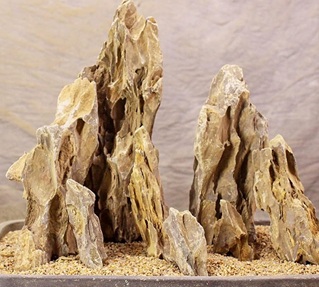
Rocks including the amazing looking Dragon Stone – image below.
2. It Thrives in Low Light
Here’s why Java Fern is perfect for beginners: it actually prefers low to moderate lighting. Crank up the light too high, and you’ll end up with brown spots and algae problems on those beautiful leaves.
I’ve had my best success with basic aquarium lighting on a timer for about 8 hours a day. If you’ve got a low-tech tank without CO2 injection, Java Fern doesn’t care one bit.

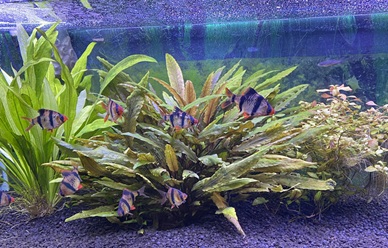

Yes, I really did this.
My Experience With Making Money Doing an Online Interview.
I made $60 for a 1 hour interview.
A while back I participated in an online video interview. It took less than an hour, and I received a $60 Amazon gift card. The company I signed up with (Respondent) has tons of different surveys and interviews to choose from. You can only be paid with gift cards, but honestly, I got some good stuff from Amazon for an hour of my time.
It’s easy, and if you choose well, it pays well. You make money, and if you complete $75 in surveys, I’ll also earn a little ($20). Win win for both of us.
Here are some of the surveys available as I write this:
-
Snack food interview — 23 minutes — $30
-
Work in e-commerce? — 20 minutes — $100
-
Content creators — 60 minutes — $100

3. Slow and Steady Growth
Don’t expect Java Fern to shoot up overnight. This isn’t a fast grower, which is actually a good thing. It means less pruning for you and more stability in your tank.
A new leaf might take weeks to fully develop, but that’s normal. Patience pays off here. On the flip side, this slow growth means it won’t outcompete other plants or take over your entire aquarium.
4. Propagation is Ridiculously Easy
Want more plants for free? Java Fern makes it simple. You’ll notice tiny plantlets developing on older leaves, complete with their own little roots. Once they’ve got a few leaves of their own, you can gently separate them and attach them elsewhere in your tank.
You can also divide the rhizome with a clean cut, making sure each section has some leaves and roots. Before you know it, you’ll have more Java Fern than you need.
5. It Handles a Wide Range of Water Parameters
I’ve grown Java Fern in everything from slightly acidic to slightly alkaline water, and it’s done fine in all of it. Temperature-wise, anywhere from 68-82°F works, though it seems happiest around 72-78°F.
* Keep Your Fish Cozy All Year. View Top-Rated Aquarium Heaters on Amazon here.
Hard water or soft water – it’s not picky.
This adaptability is why you see it recommended for so many different types of community tanks.
6. Fertilization Needs Are Minimal
Java Fern is a light feeder that absorbs most nutrients through its leaves rather than roots. You don’t need expensive substrates or heavy fertilization schedules. Fish waste in an established tank usually provides enough nutrients.
If you want to give it a boost, a basic liquid fertilizer once a week works great. I’ve honestly gone months without adding anything extra, and my Java Fern looked perfectly healthy.
I use “Fluval Plant Gro+, Plant Micro Nutrient for Aquariums”, 3 drops a day for my 75-gallon tank.
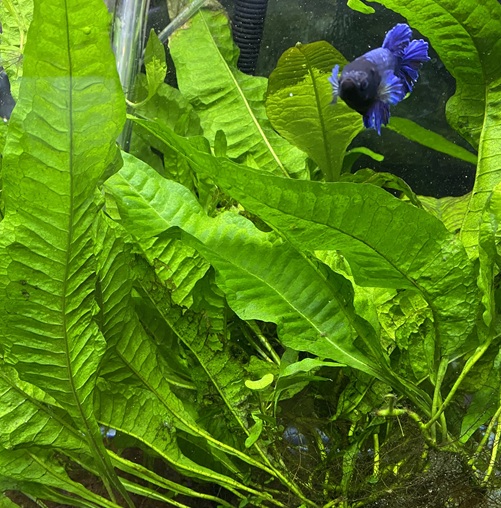
Image below: Java Fern growing in my 30 gallon aquarium. No substrate. Blue female Betta photo bombing.
7. Black Spots
Those little black spots on the undersides of leaves? Don’t panic – they’re not a disease. Those are spores, which is how ferns reproduce in nature. It means your plant is mature and happy.
However, if you see brown, transparent, or melting spots, that’s usually a sign of algae, nutrient deficiency, or too much light. Adjust conditions accordingly and remove affected leaves if needed.
8. There Are Several Varieties to Choose From
Regular Java Fern (Microsorum pteropus) is the classic, but don’t sleep on the varieties. Narrow Leaf has thin, grass-like leaves that add nice texture. Windelov has branching, lacey leaf tips that look almost fancy. Trident has uniquely forked leaves.
They all have the same easy care requirements but give you options for different aesthetics in your aquascape.
* Common Java Fern (Microsorum pteropus) on Amazon. Several sellers
* Rare Java Fern: Microsorum pteropus Lace Java Fern “Windelov” Marcus Fish Tanks
* Rare Mini Java Fern (Microsorum pteropus ‘Narrow Mini’) – JungleAquashrimp Store

9. Most Fish Leave It Alone
Here’s a huge plus: Java Fern has tough, slightly bitter leaves that most fish won’t touch. Even notorious plant-eaters like goldfish and cichlids usually leave it alone.
I’ve used it successfully in tanks with silver dollars, plecos, and even some larger cichlids. It’s one of the few plants you can confidently add to a tank with herbivorous fish without watching it get demolished overnight.
10. It Works in Almost Any Tank Style
Whether you’re setting up a low-tech planted tank, a beginner community aquarium, or even a breeding tank, Java Fern fits right in. Attach it to the background for depth, use it in the midground on driftwood, or create a forest effect with multiple pieces.
It looks natural in biotope setups and works equally well in more decorative layouts. The versatility is honestly unmatched.
Java Fern isn’t flashy, and it won’t carpet your tank or produce vibrant red colors. What it does do is provide reliable, lush greenery with almost zero maintenance.
After years of keeping aquariums, it’s still one of the first plants I recommend to anyone starting out – and one I keep coming back to myself.
Black Fish Tank 124Gal LED Aquarium

Shop Large Aquariums on Amazon


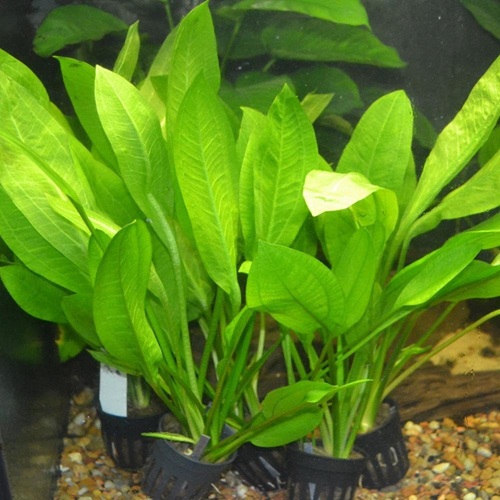
My pick for Best On Amazon for "Amazon Sword Plant":
Amazon Sword Plants
From "Water Plants"
(An Amazon aquarium plant store)
Choice was based on:
* Includes 3 plants
* Amazons number one best seller in live aquarium plants
* This plant has a rating of 4.1 stars from 1699 reviews(!)
Tap this box to view current price.


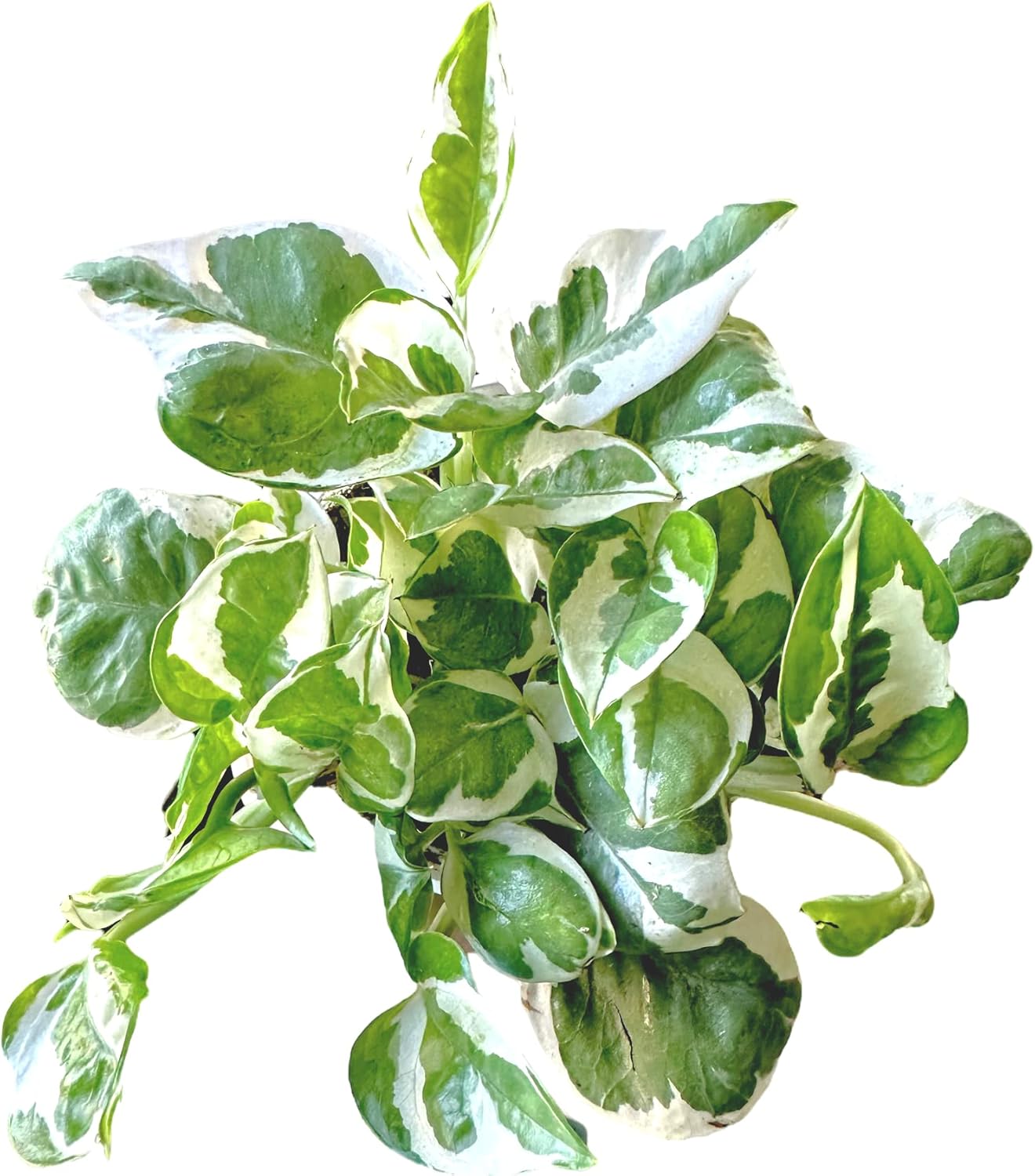
Emergent Plant: Pathos – Shop Pathos on Amazon