Caring For Green Neon Tetra – 8 “Must Knows” + Images
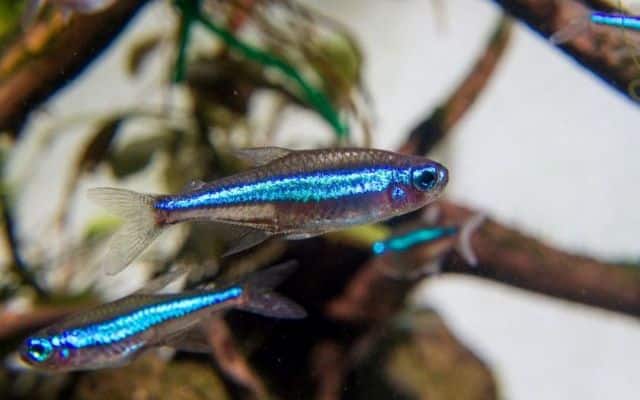
Image above: Green Neon Tetra
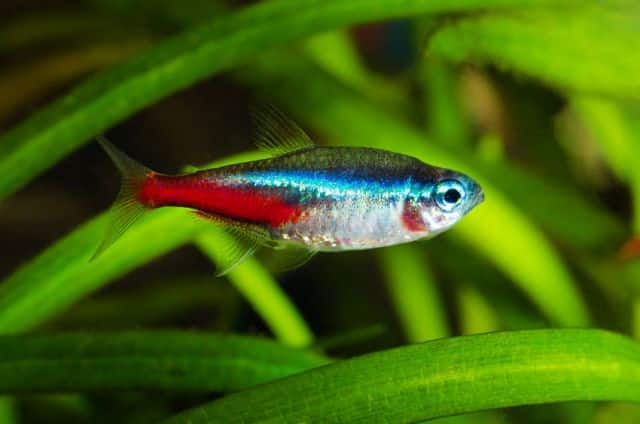
Regular Neon Tetra
Introduction
Green Neon Tetra scientific name: Paracheirodon Simulans
Looking at the 2 pictures above, it is very clear which species in which.
I don’t really know why they were named green, when really they just lack the red pigmentation that neon tetras have.
1. What do green neon tetras look like and how long will they live?
What they look like: Green Neon Tetras have a torpedo-shaped body, metallic scales, base grey coloration, and horizontal stripe.
As you can see in the pictures on this page, they are similar to Neon Tetras except they are missing the red pigmentation.
Age and length: Green neon tetras will grow to be about one inch long and could live to be 5 to 8 years old.
Neon Tetra Disease: Because of Neon Tetra Disease it is unlikely your fish will live much past a year.
Oh Magic Puppy: How long will my green neon tetras live?
Magic puppy whines sadly.

2. Where are green neon tetras found in the wild?
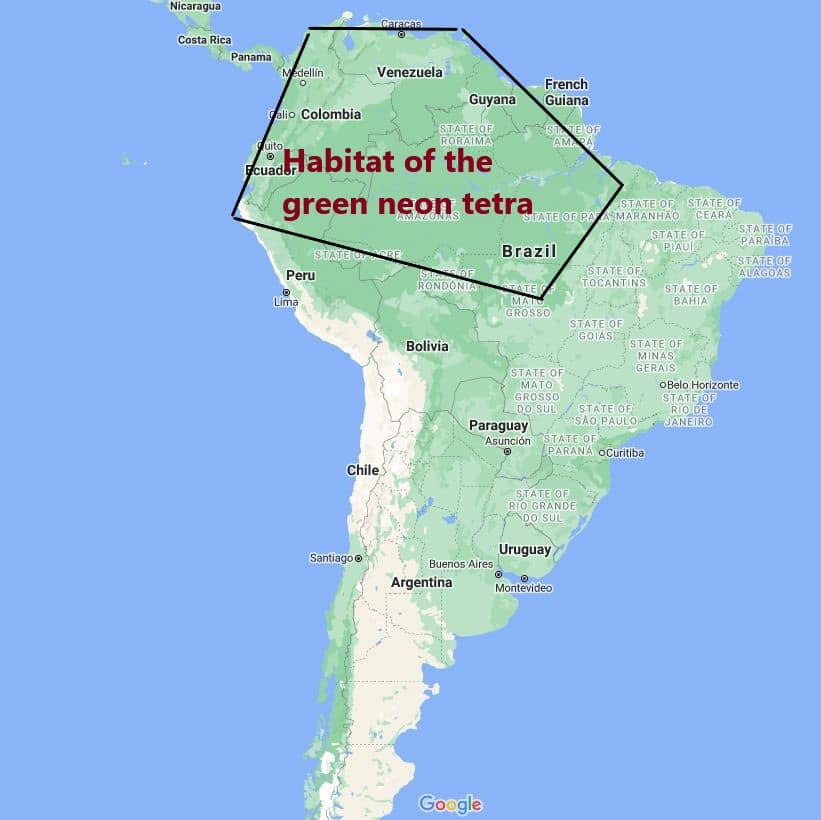
Green neon tetras are freshwater fish native to the tropical waters of South America, particularly Brazil, Colombia, and Venezuela.
If you look at the map below, their habitat is outlined.
I Tell You, Irreverently, How To Care For Your Guppies – 21 Pictures, A Bonus Article, & A Guppy Care Print Out
Just tap the guppy group to visit. Opens in a new tab.
3. What is their natural habitat like?
Green neon tetras’ natural habitat is exclusively black waters, thick with vegetation, fallen branches, and organic matter. They prefer gentle water flow.
The water they live in is acidic to very acidic.
Oh Magic Puppy: I've set the temperature in my green neon tetra tank to 78 degrees F. Will my tetras be happy?
Magic puppy’s tail wags.
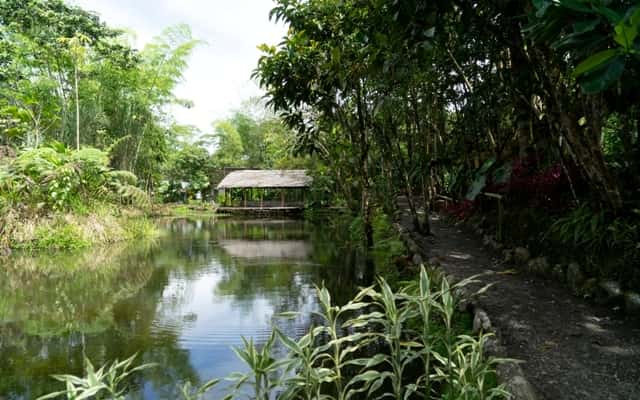
Picture above: South American Amazon waterway. A habitat a Green Neon Tetra would like.
6. What is the ideal aquarium setup for Green Neon Tetras?
Green Neon Tetras share some characteristics and tank preferences with other tetras.
Aquarium size
Because of how small they are, GNT (Green Neon Tetras) can thrive in smaller aquariums. Best suggestion is to have one gallon of water to each tetra. If it were my tank, I would have 2 gallons of water for each fish.
Oh Magic Puppy: I just bought 25 Green tetras for my 100 gallon Oscar tank. Is this tank large enough for that many tetras?
Magic puppy soils the carpet, then runs and hides.
Below is a video of 600 tetras in one round aquarium. This is really cool. Tap the picture to view the video. Opens in a new tab.
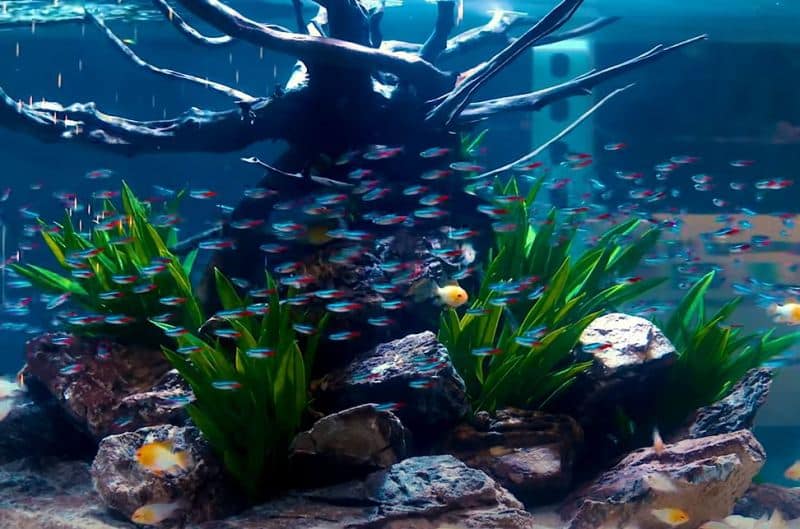
Oh Magic Puppy: Did you like the video of the 600 tetras?
Magic puppy wags his tail, jumps about happily, and barks repeatedly.
How to create GNT paradise in your home
Green neon tetras’ natural habitat consists of plants, fallen trees, roots, and rocks.
The water is what is called “black water” by seasoned fish keepers. This means it is filled with rotting plants and leaves which causes the water to become dark and acidic.
The soil in the GNT’s home is dark reddish-brown to black. These tells you what color the aquarium gravel should be.
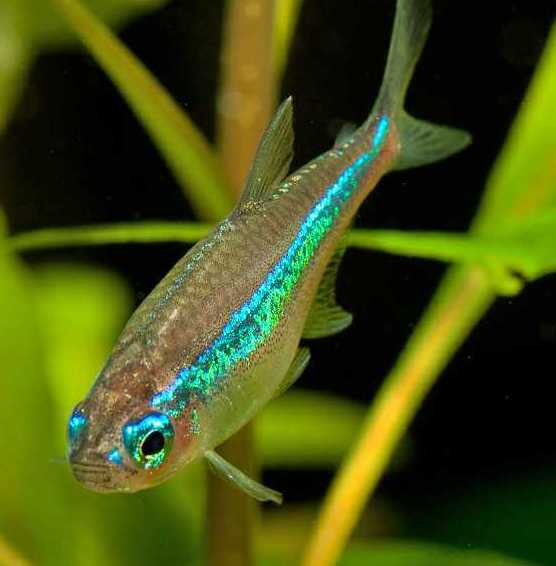
Above: This amazing image of a Green Neon Tetra was provided by Aquainfo.org https://aquainfo.org/paracheirodon-simulans-green-neon-tetra/

Picture above: Orinoco River (visible at the top of the photo) and an off shoot stream or pond. Perfect Green Neon Tetra environment.
Behavior and tank-mates
This peaceful fish species will need community tank mates that are also small and peaceful as well. This includes, but is not limited to, other tetras, mollies, and guppies.
7. What should green neon tetras be fed?
Oh Magic Puppy: I'm feeding my Green Neon Tetra's people food. I can't afford fish food, so they have to eat what I eat. Will this work?
Magic puppy moves head the the side and looks puzzled.
Diet in its natural habitat
GNT are omnivores.
Green Neon Tetras eat any small insect or zooplankton that they can fit in their mouths.
They also nibble on plant materials like algae, fallen fruit, and even leaves.
Feeding and dietary requirements
Green neon tetras are rather easy to feed.
Give them just about any fish foods and they will chow down. This includes flake foods, frozen foods and cooked vegetables.
Like all fish, GNT’s will eat until they die. Take care not to over feed them.
How do you breed green neon tetras?
Mating, reproduction, and breeding
Green neon tetras are a polygynandrous species, meaning that males and females engage with multiple partners indiscriminately.
Subsequently, mating is commonplace, yet that does not make breeding an easy task. Green neon tetras require specific conditions to start the mating process (low pH of 6.5 or lower, very low water hardness plus plants and rocks. The survival rate for eggs and fry is low because of their high fragility and small size.
I’ve had cardinal tetras mate daily in the morning in a community 55 gallon tank I used to have. I used strictly reverse osmosis water which means 6.5 to maybe 7 pH and no hardness. I.E. super soft water with the temp. set at 78 degrees F.
How to tell males from females
The females might be a little rounder.
Oh Magic Puppy: My local fish store is selling Green Neon Tetras, males in one tank and females in another. Can they really tell the difference?
Magic puppy looks at you with a smile, like the one below.
Breeding and hatching
If kept in a school, males will often compete for female attention and display brighter colors as they swim around her. If the female accepts, the breeding process starts.
Female green neon tetras lay over a hundred eggs on top of the substrate or plants with fine leaves, but always in shaded areas of the tank. Light and UV radiation will damage eggs and newborn green neon tetras, which is why lower illumination levels are required.
After the male fertilizes the eggs, they hatch within 24 hours. Green neon tetra fry are still sensitive to UV radiation, so they should be raised in a shaded / darker tank.
The fry can be fed infusoria or liquid fry food until they are large enough to take highly powdered flake food and baby brine shrimp.
8. What are common diseases of Green Neon Tetras?
Green Neon Tetras are delicate fish that are not a common breed in the hobby. (I have seen them for sale in the local big box pet store in the past). Subsequently, odds are your fish were captured in the wild. This makes them more vulnerable to stress and common tank diseases.
It’s important for the well-being of your GNT’s that you understand the symptoms and treatment of prevalent diseases, such as the following.
Shock
It has been discussed how GNT’s are susceptible to fluctuating water conditions. Deteriorating water quality most always results in shock, stress, and vulnerability to further diseases is to keep your water parameters steady and avoid fluctuations. Likewise, make sure to add them to established and mature aquariums.
Ich
With shock comes Ich. Unstable water parameters and fluctuating temperature can induce the growth of protozoans responsible for this parasitic disease. I.E. This is the fish keeper’s fault.
Ich’s most distinctive symptom are white spots all across the fish’ body, clamped fins, appetite loss, and constant gasping.
Treating ich requires both medication and a shift in the tank’s water parameters. Malachite green, aquarium salt, and copper sulfate are sufficient to kill the parasite. Also increase the water temperature, as well as make larger, more frequent water changes. All of these steps show lead to complete recovery.
Neon Tetra Disease
The most significant threat to the health of your green neon tetra fish is the aptly named “neon tetra disease”, a prevalent disease for this species that has no known cure.
Of note: I have read some fish keepers articles that have said the protozoan responsible for this disease is always present in all aquariums.
Neon Tetra Disease is caused by Pleistophora hyphessobryconis, a protozoan that is often transmitted through infected live food, as well as through diseased fish being added to the tank. The infected fish develop damaging cysts, a dull coloring, and a curving of the spine.
Once infected, the only solution is to remove the affected fish to avoid a widespread epidemic in the tank.
Oh Magic Puppy: My local fish store has Green Neon Tetras for sale. Should I give them a go and buy some?
Magic puppy piddles on the carpet, then tucks his tail under his butt and slinks away.
Conclusion
My opinion on keeping Neon Tetras or Green Neon Tetras in “don’t.” I’m fairly certain they will die quickly in your care.
That said, if you are really serious about making sure their water pH hangs around 6 and hardness is zero or nearly zero, you might have some luck at keeping GNT’s.
Leave a comment at the bottom of the page to let me know about your experience with Neon Tetra, GNT.s or Cardinal Tetras.
How to take amazing, show quality, pictures of your aquarium using your smart phone
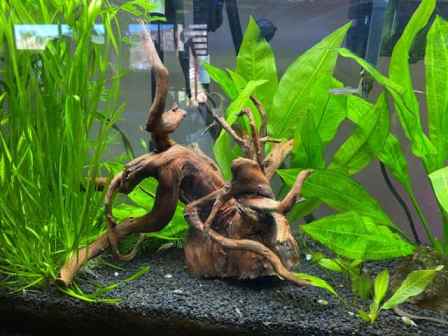
So you want to take great pictures or videos of your aquarium.
This article will tell you how without bogging you down in photography details.
After all your hobby is fish keeping, not photography.
If you click on this ad and decide to make a purchase I will make $44.50.
Want to make money from your aquarium hobby too?
You can use the website creation software I use and design and build a website like this one.
Of course there are no guarantees and it can take quite a while to do, but it won't happen if you don't start.
I've used divi for at least 4 years now and strongly recommend it. Tap to visit the Divi website.
This is an affiliate ad for the software (Divi) I used to create this website.