Aquarium Carpeting Plants: 11 Top Picks for a Lush, Vibrant Tank

11 Popular Aquarium Carpeting Plants
Below are eleven well-known carpeting species. Each listing includes essential information for hobbyists deciding which plants fit their setup.
1. Dwarf Hairgrass (Eleocharis parvula)
Skill Level: Easy to Moderate
Lighting: Medium – High
CO₂: Beneficial but not required
Temperature: 68–82 °F (20–28 °C)
Origin: Found on nearly every continent
Wikipedia: Eleocharis parvula – Wikipedia
Of note: According to Wikipedia, Eleocharis parvula is a plant that is normally found in brackish water. This may indicate difficulty in growing in a freshwater aquarium.
This classic carpet resembles a soft underwater field of grass. Plant small clumps a few centimeters apart, and they’ll send runners across the substrate. Regular trimming keeps it short and tidy.
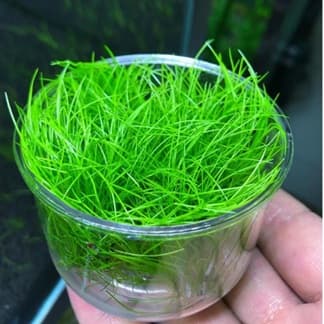
Image above: hairgrass – you can buy this plant on Amazon by tapping the image.
2. Monte Carlo (Micranthemum tweediei)
Skill Level: Easy
Lighting: Medium
CO₂: Optional, enhances density
Temperature: 68–78 °F (20–26 °C)
Origin: South America
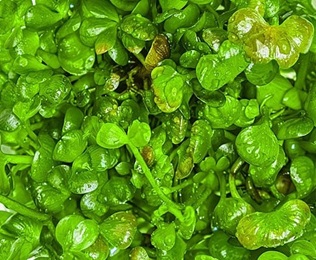
Buce Plants: Micranthemum Monte Carlo Aquatic Farmer Tissue Culture — Buce Plant: “Monte Carlo is a favorite for beginners because it grows quickly and forms dense mats even in low-tech tanks. Its small round leaves create a smooth, uniform texture.”
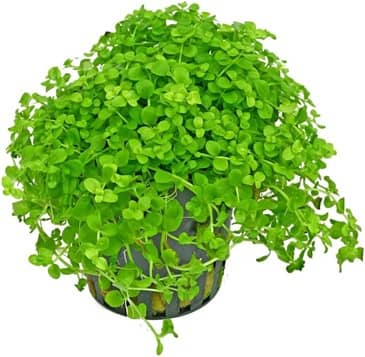 Image above: Monte Carlo plant. You can buy this plant on Amazon. Tap the image or tap here.
Deep Dive: Monte Carlo
From: https://aquamatsya.com/micranthemum-monte-carlo/
Micranthemum ‘Monte Carlo’ – Aquarium Carpet Plant Guide
Aquarium Suitability of Micranthemum ‘Monte Carlo’ Aquarium Plant
Ideal Placement in Aquascape: Foreground or shallow slopes
Compatible Aquascaping Styles:
Iwagumi (soft rolling carpets)
Nature Aquarium (natural meadow effect)
Dutch (ground coverage under stems)
Nano tank layouts
Growth Speed: Moderate to fast
CO₂ Requirement: Not mandatory; grows well in CO₂-free tanks with moderate lighting
Lighting Needs: Medium to high
Nutrient Requirements: Benefits from aquasoil + water column dosing
Temperature Range: 20°C – 28°C
pH Range: 6.0 – 7.5
GH/KH Preference: GH 3–10, KH 1–5
Substrate Requirement: Prefers nutrient-rich or fine-grain substrates for best root spread
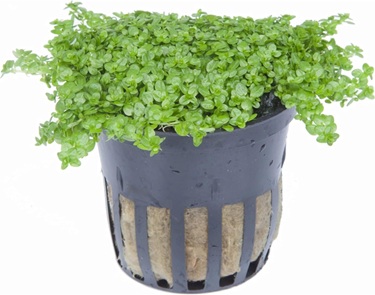
3. Dwarf Baby Tears (Hemianthus callitrichoides ‘Cuba’)
Skill Level: Advanced
Lighting: High
CO₂: Required
Temperature: 70–82 °F (21–28 °C)
Origin: Cuba
Known for its tiny, bubble-like leaves, Dwarf Baby Tears creates one of the most beautiful, delicate carpets in aquascaping. It demands strong light and CO₂ but rewards with vivid green color.
From Wikipedia: “This species is commonly used as a foreground or carpeting plant in planted aquariums. When used in aquascaping, this species is known to have relatively high light and carbon dioxide requirements.”
4. Glosso (Glossostigma elatinoides)
Skill Level: Intermediate to Advanced
Lighting: High
CO₂: Required
Temperature: 72–82 °F (22–28 °C)
Origin: Australia / New Zealand
A hallmark of classic nature aquariums, “Glosso” grows fast and hugs the substrate tightly. Without enough light, it will grow upward instead of spreading.
From Wikipedia: “…grows in wet situations on river flats, near swamps and dams in New South Wales, Victoria, South Australia, Tasmania and the Australian Capital Territory.”
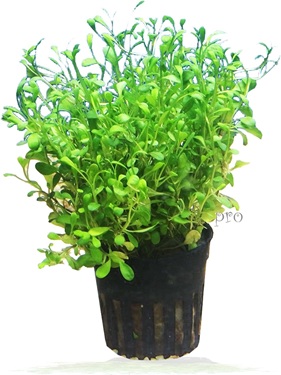 Glossostigma Elatinodes (Glosso). Tap image to buy.
5. Marsilea hirsuta
Skill Level: Easy
Lighting: Low – Medium
CO₂: Optional
Temperature: 68–80 °F (20–27 °C)
Origin: Australia
Marsilea is a hardy alternative for low-tech tanks. Its clover-like leaves vary from one to four lobes, giving a natural meadow look.
Wikipedia: A widespread species with wide clover like fronds, found in flood plains and swamps in Australia.
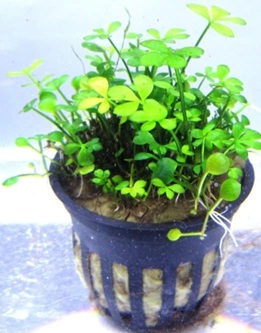
View the most recent price of this plant on Amazon. Tap here or the image.
6. Staurogyne repens
Skill Level: Easy
Lighting: Medium
CO₂: Optional
Temperature: 68–82 °F (20–28 °C)
Origin: Brazil
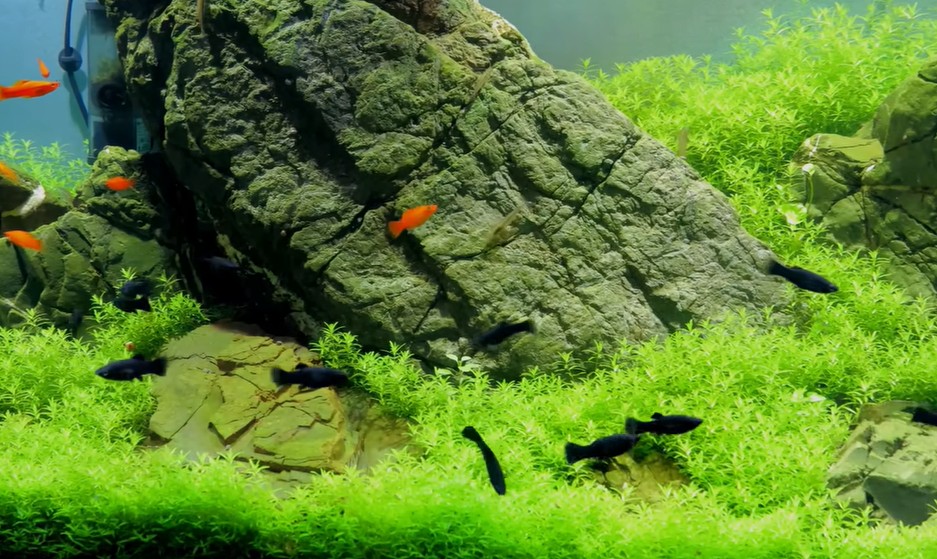
Repens grows in small, bushy clusters and can act as both a midground plant and a foreground carpet. Trim and replant the tops to thicken coverage.
Wikipedia: “It is widely used as a tropical aquarium plant, where it grows as a bright green carpet at the bottom of the tank.”
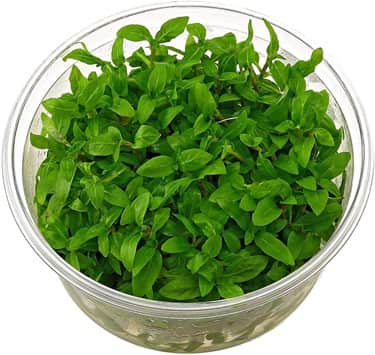
Image above: Staurogyne repens. To view most recent price on Amazon tap the image or tap here.
7. Dwarf Sagittaria (Sagittaria subulata)
Skill Level: Easy
Lighting: Low – Medium
CO₂: Optional
Temperature: 64–82 °F (18–28 °C)
Origin: South America
A resilient choice for beginners, Dwarf Sag spreads via runners much like hairgrass. It tolerates a wide range of conditions, making it a reliable carpet for community tanks.
Wikipedia: “Distribution and habitat – It is native to Colombia, Venezuela, and every US state along the coast from Massachusetts to Louisiana.”
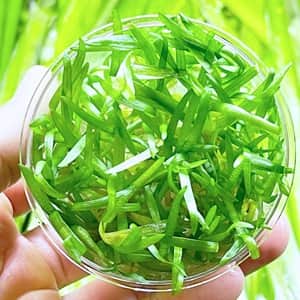
8. Brazilian Micro Sword (Lilaeopsis brasiliensis)
Skill Level: Moderate
Lighting: Medium to High
CO₂: Recommended
Temperature: 70–82 °F (21–28 °C)
Origin: South America
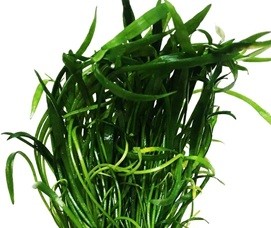
With narrow, grass-like blades, Brazilian Micro Sword grows slower than hairgrass but forms a thicker, more defined lawn once established.
Wikipedia: Used in the foreground of the aquarium. To grow well it needs a very bright light, and a tropical temperature range. It prefers a good substrate, a nutrient rich water and will benefit from additional CO2.

Amazon Image Above: Brazilian Micro Sword. Tap to see current price.
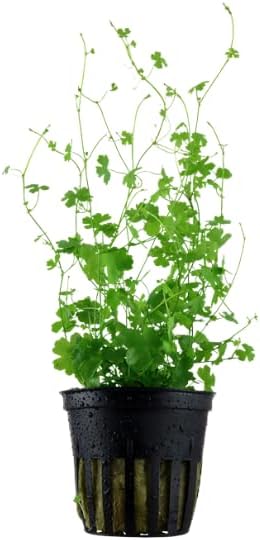
9. Hydrocotyle tripartita ‘Japan’
Skill Level: Moderate
Lighting: Medium to High
CO₂: Recommended
Temperature: 68–80 °F (20–27 °C)
Origin: Southeast Asia
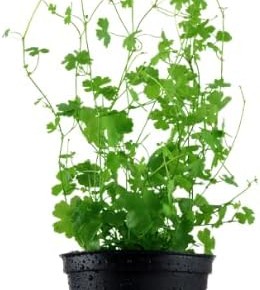
This fast-growing plant has small, clover-shaped leaves that trail across rocks and substrate alike. Frequent trimming keeps it low and compact.
Wikipedia: Hydrocotyle tripartita is a perennial herb flowering with small white flowers that comes from New Zealand and the Australian states of Queensland, New South Wales and Victoria. It has small and vivid green creeping leaves on vertical stems.
10. Christmas Moss (Vesicularia Montagnei)
Skill Level: Easy
Lighting: Medium – Low
CO₂: Optional
Temperature: 68–82 °F (20–28 °C)
Origin: Southeast Asia
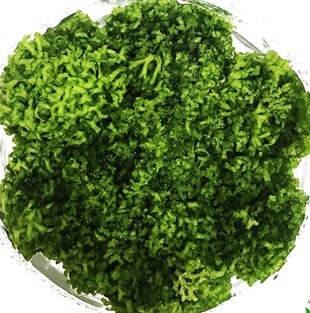
Christmas moss is from the Sunda Islands of Indonesia. Undemanding and very easy to cultivate, and can be shaped via regular pruning.
Plantpedia (archived): “Cooler water between 64-74 degrees Fahrenheit (18-24 Celsius), carbon dioxide injected, and moderate lighting produces the best growth.”
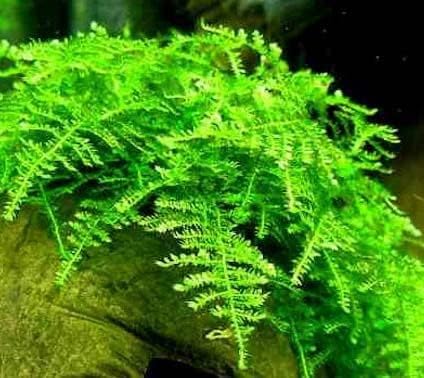
Image above: Christmas Moss. To find out the current price on Amazon tap here or the image.
11. Crystalwort (Riccia fluitans)
Skill Level: Moderate
Lighting: Medium to High
CO₂: Helpful
Temperature: 70–82 °F (21–28 °C)
Origin: Cosmopolitan
Although technically a floating liverwort, Riccia can be tied to mesh or stones to form a bright green carpet. It grows quickly but needs regular trimming to prevent lifting off.
Wikipedia: Any single branch or antler bud can reproduce into a large colony if the plant is kept in proper conditions. It normally floats, but can also be attached to underwater objects such as logs and rocks.
Key takeaways
* I’ll go over reasons to add carpeting plants to your aquarium (besides the fact that they look cool).
* How to grow carpeting plants strong and healthy.
* I’ll cover the art of planting.
* We’ll explore lighting, CO2, fertilization, using “dry start” planting, water parameters, and maintenance.
* I’ll go into detail about 11 carpeting plants to consider for you tank.
* Problems you might run into with carpeting plants.
Information was updated October 14, 2025
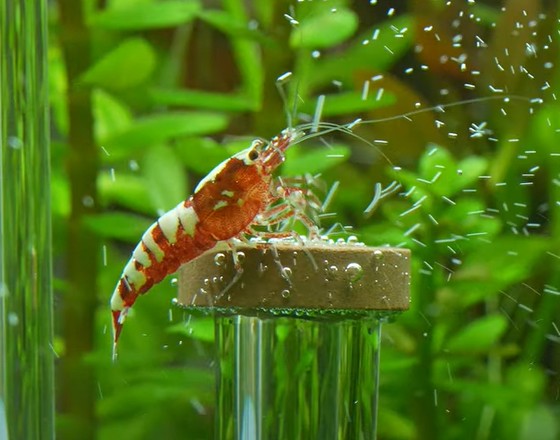
Image above is a link to a video on how to grow carpeting plants in bulk
Once you understand carpeting plant needs you’ll find they’re not as intimidating as they first seem. Even beginners can create a beautiful, healthy plant carpet with a bit of patience and the right approach.
What Are Aquarium Carpeting Plants?
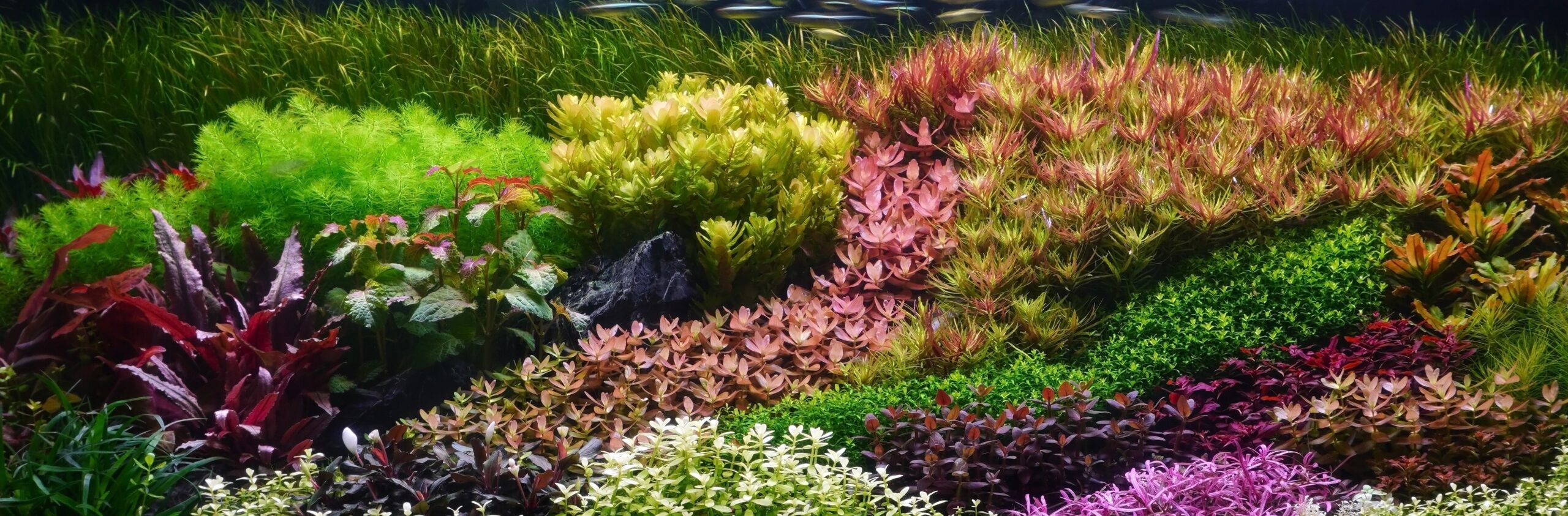
Carpeting plants are low-growing aquatic species that spread horizontally along the substrate, forming a dense mat of greenery. They’re often used in aquascaping to cover the tank floor, soften the look of hardscape elements like rocks and driftwood, and give fish a more natural environment.
Some popular examples include Dwarf Hairgrass (Eleocharis acicularis), Monte Carlo (Micranthemum tweediei), and Glossostigma elatinoides, among others. Each plant has its own personality — some spread quickly and easily, while others grow slower or need extra care.
Why Add Carpeting Plants to Your Aquarium?
A healthy carpet does more than just look beautiful — it improves the overall balance of your tank. Here are a few key benefits:
Natural Filtration
* Carpeting plants absorb excess nutrients, helping to reduce algae growth.
Oxygenation
Like all live plants, they release oxygen into the water, creating a healthier environment for fish and shrimp.
* Habitat for Inhabitants:
A dense carpet gives small fish, fry, and shrimp a safe place to hide and forage.
* Aesthetic Appeal
Whether you’re going for a natural riverbed or a manicured aquascape, a carpet adds depth and realism.
* Water Stability
Plants help stabilize water parameters by absorbing waste and nitrates.
The following is a small portion of the transcript from the above video:
“I love carpeting plants, and HC Cuba has always been my favorite. It’s a low-profile plant with very tiny leaves, perfectly matching the size of my shrimp—and they absolutely love it. Ideally, it requires some CO₂, but I’ve had great results growing it without any.
Now I’m thinking of building an Iwagumi-style tank with HC Cuba covering the bottom, and I’ll need a lot of it. I could simply buy lots of in-vitro pots, but that would be quite expensive. So today, I’m going to show you how to grow a carpet of plants without spending much money.
First, I bought two cups of HC Cuba. I know it’s not much…”
Tank sizes for Goldfish
You wanted it you got it: aquarium photography
How to remove algae from a fish tank
What? Really? How To Grow Huge aquarium Plants
How To Create A Small planted Aquarium
What Carpeting Plants Need to Thrive
To grow a thick, vibrant carpet, it’s important to understand what these plants need. Most carpeting species rely on three main factors: light, nutrients, and CO₂.
* Lighting
Strong, consistent lighting encourages horizontal growth and compact leaves. Dim light will make the plants grow taller and sparse as they reach upward.
* CO₂
Many carpeting plants benefit from added CO₂, but some can grow well without it, especially in low-tech setups.
* Substrate
Nutrient-rich substrate helps roots anchor and access vital nutrients. Fine-grained soil also makes it easier for new runners to spread.
* Water Flow & Filtration
Gentle circulation ensures that nutrients and CO₂ reach every corner of the carpet without uprooting young plants.
* Fertilization
A balanced regimen of macro and micronutrients keeps growth steady and color vibrant.
Once these needs are met, your carpet will reward you with lush, even growth — and the satisfaction that comes from cultivating a living underwater lawn.
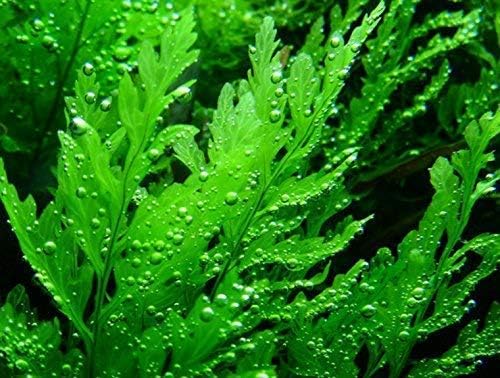
Carpeting plant, Christmas fern
Reddit.com From r/Aquascape – Potato_Dude000 – 2y ago
“As for easy carpet plants, the infamous Monte Carlo is the easiest but since you’re new you should expect this to be a little more harder then the average Aquascape. It will carpet under low light, high light, no co2, with co2. With low light and no co2 will result in slower growth, in my experience probably a few months. With Bright Lighting and Co2 usually takes a month if taken care of well. Remember there are other factors to take care of such as the type of soil you’re using (in my opinion), fertiliser dosage and also “root tabs” can help your carpet plants grow faster and stronger roots so keep that in mind too but other then that you should look up YouTube guides on how to grow plants. It’s easier to see how the process is and allows you to broaden your knowledge and sight for aquarium plants.”
Reddit.com r/Aquascape
Time lapse of trimming back the monte carlo carpet this morning ✂️ : r/Aquascape
Worth it to watch.

Prepare and Plant
Before planting, rinse the plants and trim off any damaged leaves or long roots. Most carpeting species come in small pots or tissue-culture cups. Divide them into small plugs of a few stems each.
* Use tweezers to plant each plug about one inch apart.
* Angle them slightly into the substrate to prevent floating.
* Fill the tank halfway with water first — it’s easier to see where you’re planting.
Don’t worry if the carpet looks sparse at first. Within a few weeks, the runners will start to spread and fill the gaps.
Consider the Dry-Start Method
If you’re planting an entirely new aquarium, you might try the dry-start method (DSM). It’s a popular way to establish a carpet before filling the tank.
1. Plant your carpet as usual in moist substrate.
2. Keep the tank about 90 % humid by misting daily and covering it with plastic wrap or a glass lid.
3. Provide strong lighting for 8–10 hours a day.
4. Once the carpet thickens — usually in four to six weeks — slowly fill the tank with dechlorinated water.
This approach allows roots to develop deeply without the risk of algae or floating plants.
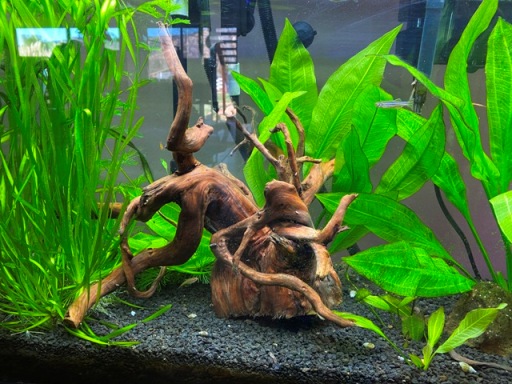
Image above: My 30-gallon planted aquarium. Picture was taken in 2023.
Lighting
Lighting is the driving force behind healthy carpeting plants. Aim for medium to high intensity (around 30–50 lumens per liter). LED lights designed for planted tanks are ideal since they provide consistent coverage without overheating the water.
Keep a photoperiod of 6 hours per day (this is what I do). Longer lighting periods can trigger algae blooms.
CO₂ and Fertilization
Adding CO₂ will almost always speed growth and improve color. However, some species — like Monte Carlo or Dwarf Sagittaria — can adapt to tanks without CO₂ if light and nutrients are steady.
Even in low-tech tanks, use a complete liquid fertilizer several times a week. In high-tech setups with pressurized CO₂, dose macros (NPK) and micros on alternating days for best results.
Water Parameters
Most carpeting plants thrive at 72–82 °F (22–28 °C) with a pH between 6.0 and 7.5. Soft to moderately hard water is ideal. Consistency matters more than precision — sudden swings in temperature or hardness can melt delicate leaves.
Maintenance
Once your carpet starts filling in, maintenance becomes easy:
* Trim the top layer every few weeks to encourage horizontal growth.
* Remove trimmed material to avoid decay.
* Vacuum gently above the carpet during water changes to keep debris from accumulating.
With steady care, your tank floor will soon look like a green lawn waving gently in the current.

5 steps to make your aquarium plants thrive

Carpeting Plants Challenges
Even with the best setup, carpeting plants occasionally run into problems. Knowing what to look for helps you fix issues early.
Algae Growth
Too much light or excess nutrients can trigger algae. Reduce lighting hours, improve water circulation, and perform regular water changes. Adding a small clean-up crew — like Amano shrimp or Otocinclus catfish — helps maintain balance.
Melting Leaves
New plants often “melt” after planting as they adapt to underwater life. Trim away dead tissue and be patient; healthy new growth usually appears within a couple of weeks.
Yellowing or Slow Growth
This often indicates nutrient deficiencies, especially nitrogen or iron. Increase fertilization slightly or use root tabs near affected areas.
Uprooting
Fish or strong current can pull up new plants. Use fine substrate, plant deeper, or add small pebbles temporarily to weigh them down until roots take hold.
Trimming and Replanting
Regular trimming keeps carpets compact and prevents lower layers from dying off. You can replant the trimmings to expand the carpet faster.
Maintaining a healthy carpet is about small, consistent habits rather than big fixes. Once the plants are established, they tend to be surprisingly forgiving.
Author Bio: Don Glasgow - creator of this site
* I've been keeping fish for 24 years, including Discus, Angelfish, Betta Fish, Tiger Barbs, Bristlenose Plecos, Zebra Danios and many, many more.
* I've have been keeping planted aquariums for 23 of those 24 years. Plants I've kept include Java Fern, Sword Plants, Rosette Sword and many more.

FAQ’s
How long does it take for carpeting plants to fill in?
Most species take four to eight weeks to cover the substrate, depending on lighting, nutrients, and CO₂ levels.
Can carpeting plants grow without CO₂?
Yes, several species such as Monte Carlo, Dwarf Sagittaria, and Marsilea hirsuta can grow in low-tech tanks, though growth will be slower and leaves slightly larger.
How often should I trim my carpet?
Trim every two to three weeks or whenever the carpet reaches about one inch thick. Frequent trimming promotes horizontal growth and prevents decay underneath.
What fish are safe with carpeting plants?
Peaceful community species like tetras, rasboras, shrimp, and small catfish coexist well. Avoid large diggers like cichlids that disturb the substrate.
Why is my carpeting plants turning brown?
Browning usually points to poor circulation or a nutrient imbalance. Gently stir the surface during maintenance and adjust fertilization if needed.
Aquarium Carpeting Plants

Other pages on this site:
⇒ How to keep freshwater shrimp
⇒ 10 fast growing plants to help control algae in the planted aquarium
⇒ Taking photos of your aquarium using your smartphone
⇒ Aquarium Hobbyist Books & Gifts
⇒ My Top 3 Steps To Have Healthy Fish and A Healthy Aquarium
Keeping fish can be costly, but there's a great way to offset those expenses.
Consider creating your own website, just like I did with this one!
I've used Divi to build this site, and it's incredibly user-friendly. With its drag-and-drop interface, creating your own website becomes a breeze. Simply tap this box to get started and see how easy it is with Divi.
For over four years, Divi has been my go-to website builder, and I can’t recommend it enough.