Nighttime in a Home Aquarium: What Happens to Fish and Plants When the Lights Are Turned Off
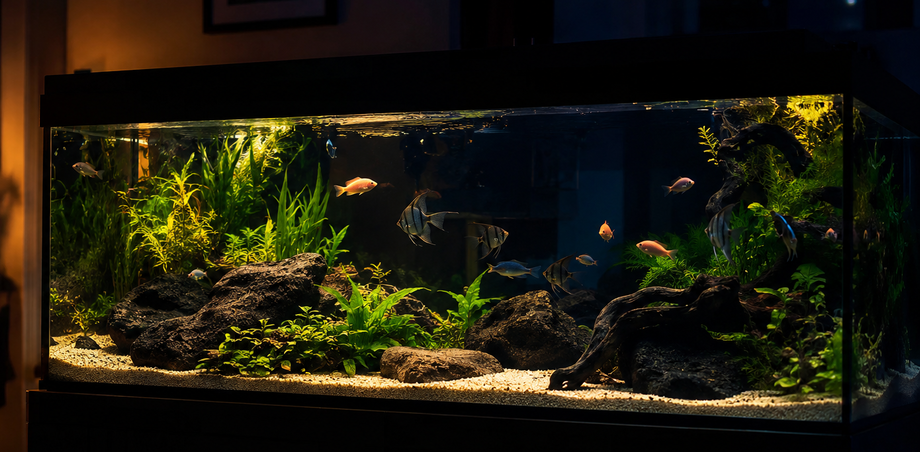
Most aquarium owners pay attention to what happens when the lights are on. But what happens after they turn them off? What happens in the dark in your aquarium?
When the aquarium lights go off, some fish begin resting, some fish become more active, and plants stop photosynthesizing.
Why Nighttime Matters in a Home Aquarium
Fish and plants need a regular day and night cycle.
Many fish rest after dark, while nocturnal species become more active.
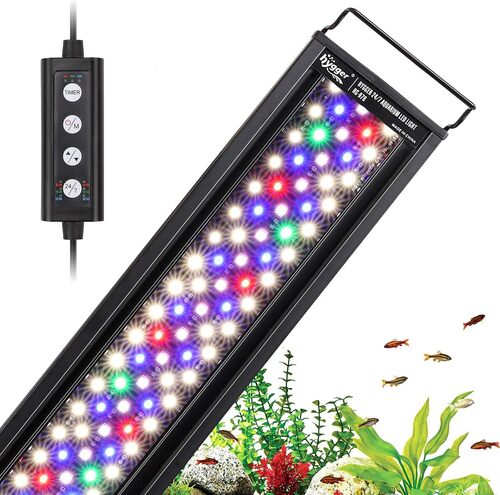
Leaving aquarium lights on around the clock is a terrible idea. Fish need time to rest, and too much light might encourage algae growth.
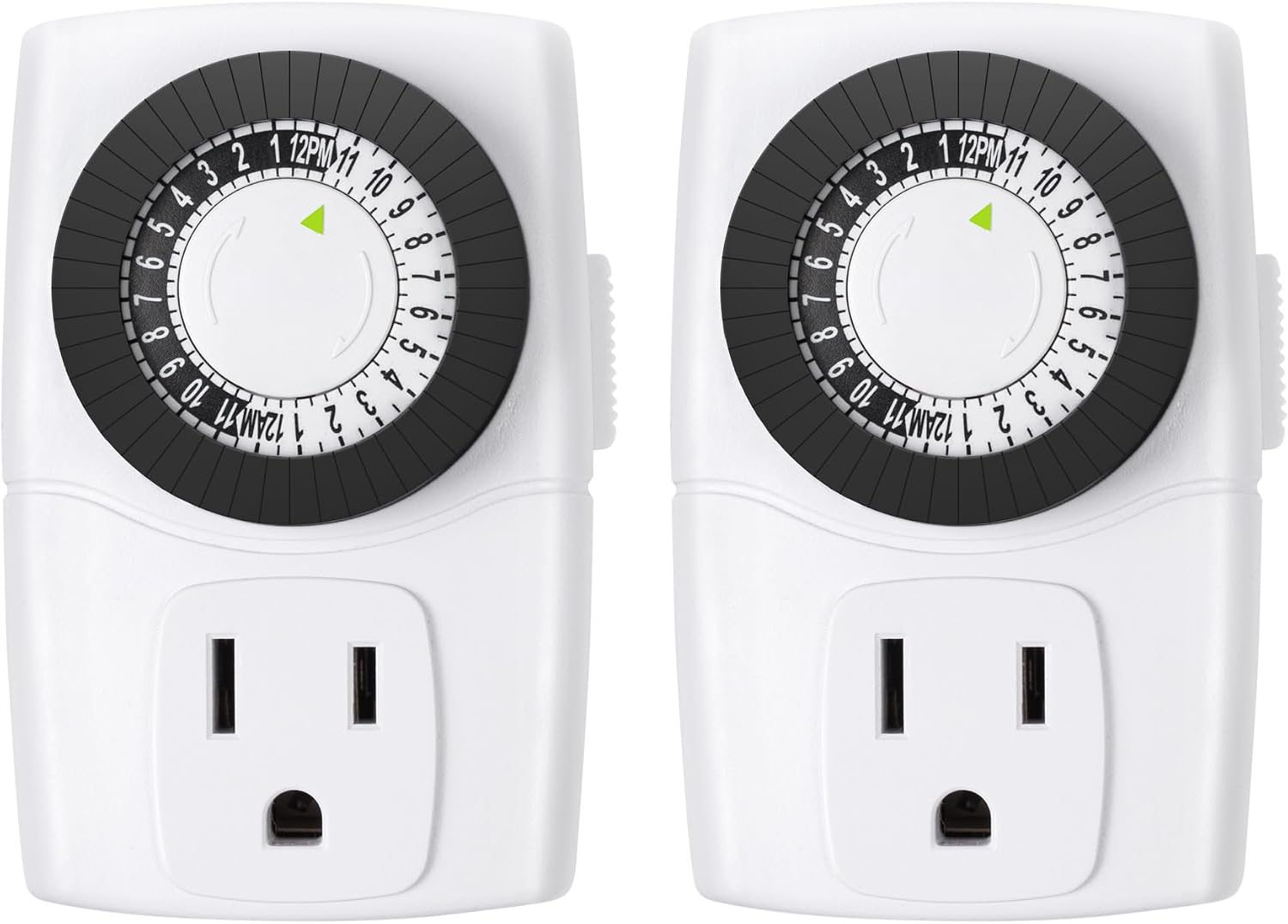
Many planted aquariums do well with 6–8 hours of light each day. An inexpensive timer makes it easy to keep the schedule consistent.
Author’s note: I leave my aquarium lights on for 6 hours a day. This helps control algae buildup.
Nighttime in an Aquarium: What Happens to Fish?
Most aquarium fish don’t have eyelids, but they do sleep. They just don’t sleep quite like we do.
When the lights go out, many fish slow down, find a sheltered spot, and become less responsive to their surroundings.
Of course different fish have different nighttime habits:
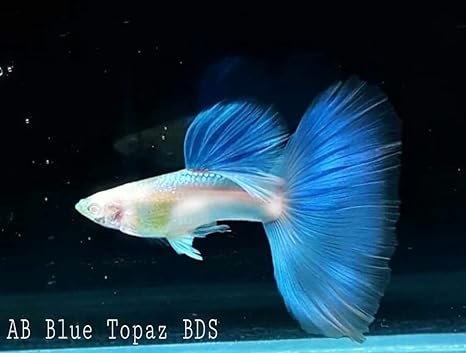
- Tetras and guppies: Usually become less active, sometimes resting among plants or near the bottom.
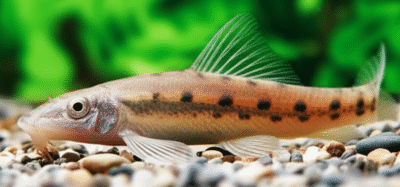
- Catfish and loaches: Many species become more active after dark, searching for food.
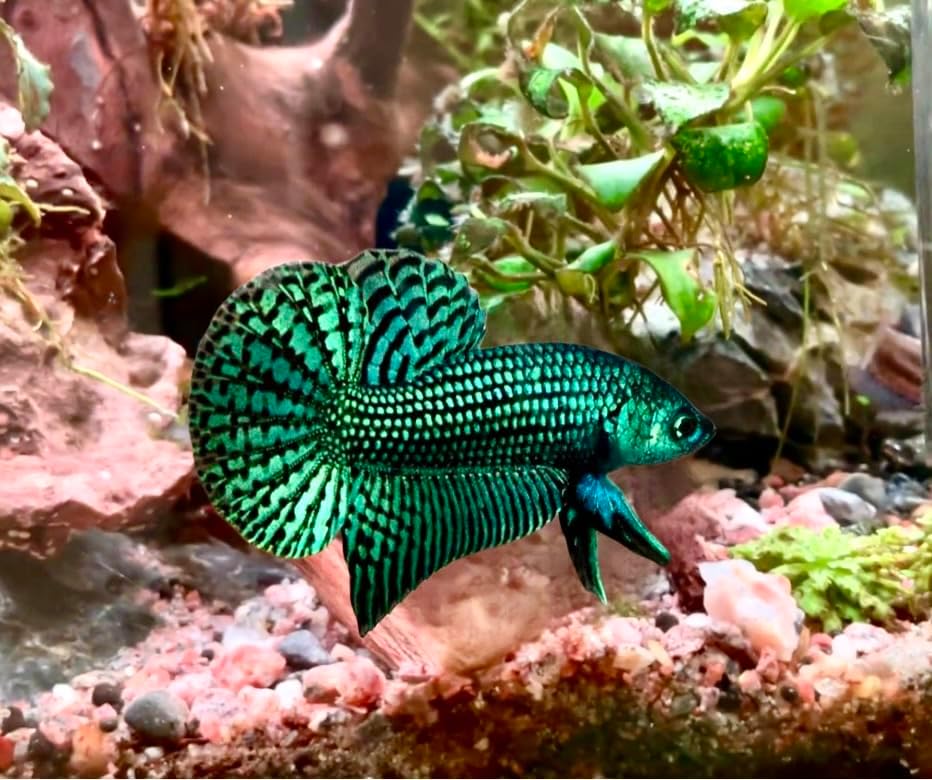
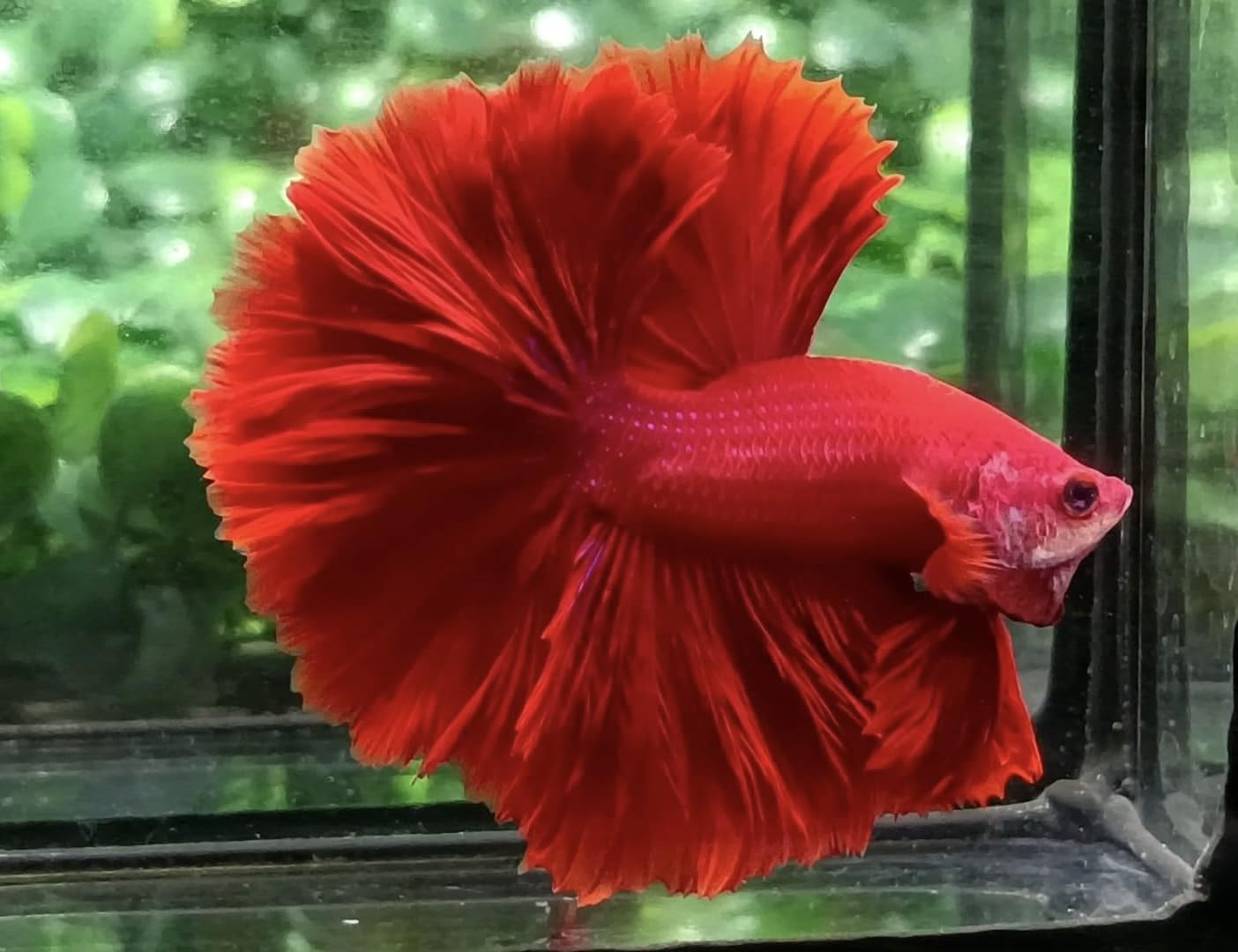
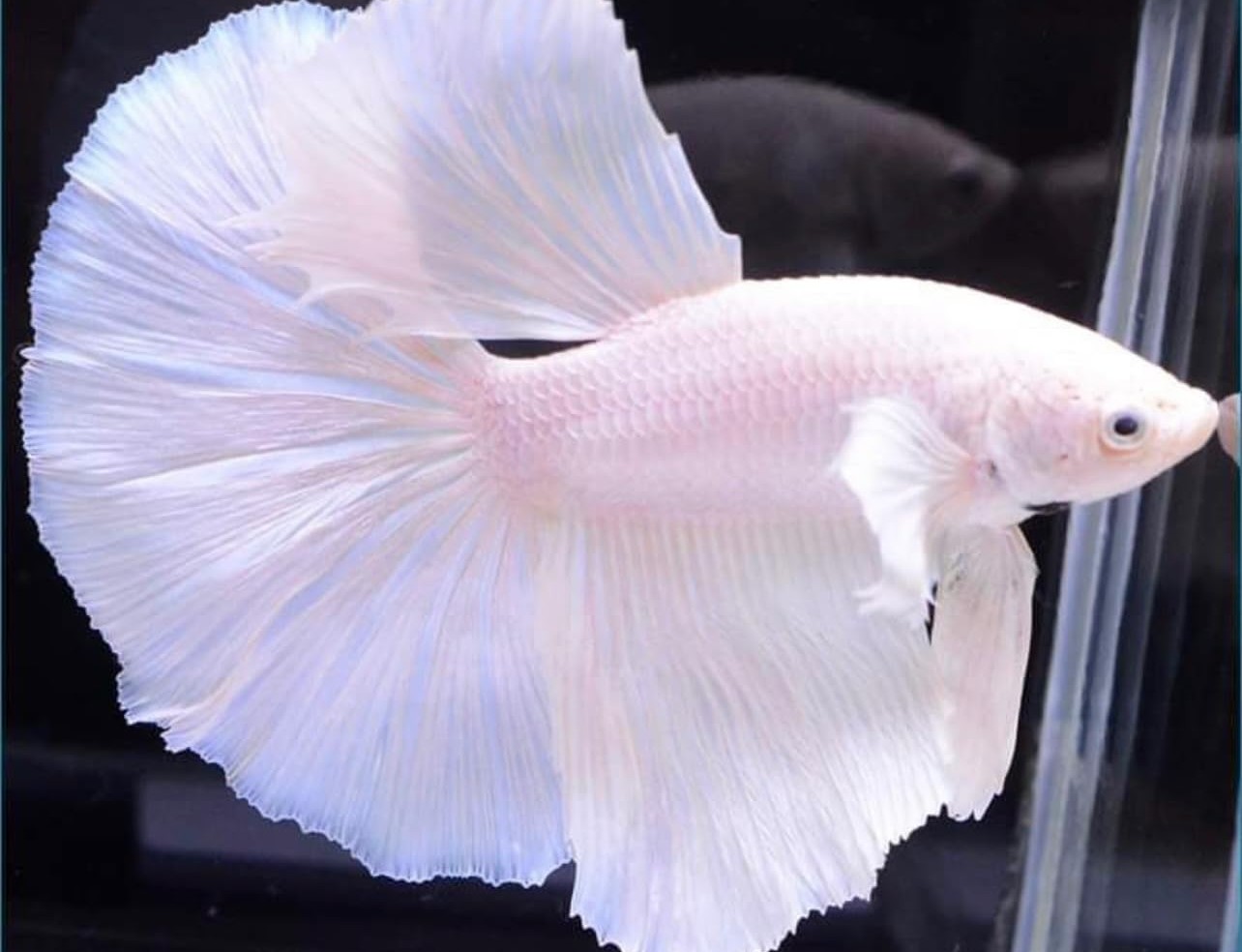
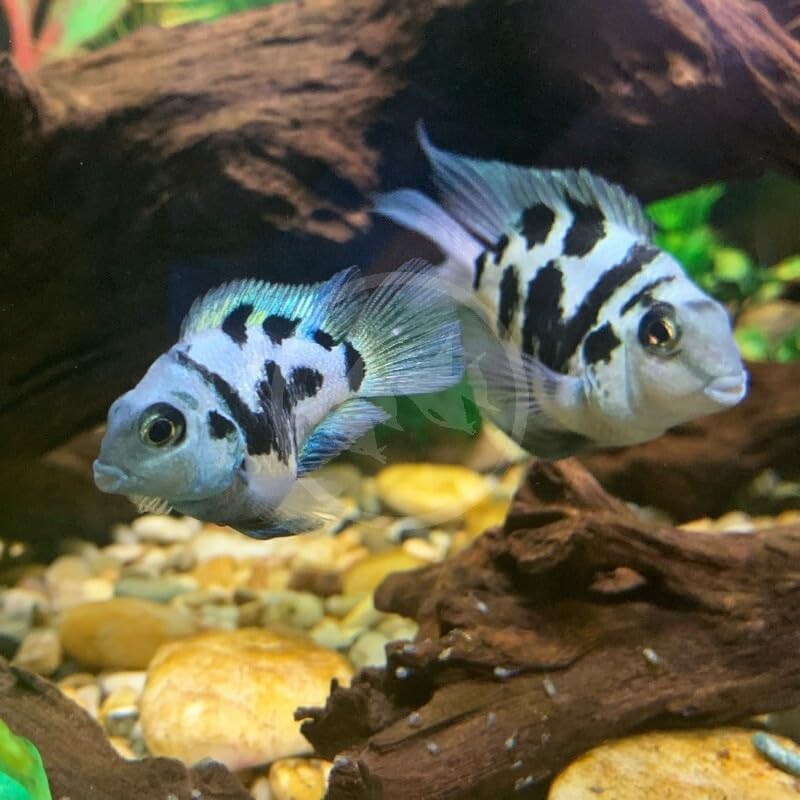
- Cichlids and betta fish: Often settle into a favorite resting place. Because bettas take in gulps of air to survive, they might sleep on plant leaves.
Nocturnal Fish Come to Life
Many plecos, kuhli loaches, and other nocturnal catfish become more active after the aquarium lights go out. These fish are adapted to low-light conditions and often spend the night searching for food.
To support their behavior:
* Feed small amounts of sinking pellets appropriate for the fish before lights out.
* Provide hiding spaces like driftwood and caves to mimic natural habitats.
What Aquarium Plants Are Doing At Night or Why your aquarium might need an airstone.
During the day, aquarium plants use light to absorb carbon dioxide and release oxygen through photosynthesis.
Since the plants aren’t putting oxygen in the aquarium (if you have a planted aquarium) an air stone or gentle surface agitation can help maintain oxygen levels in the tank overnight.
Microbial Activity in the Dark
Beneficial bacteria don’t stop processing aquarium waste when the lights go out.
They continue converting ammonia into nitrite and then nitrate.
What You Might Notice at Night In Your Aquarium
If you peek into your tank after dark, you might observe:
* Fish resting motionless or gently swaying in the water column.
* Nocturnal species begin exploring the tank.
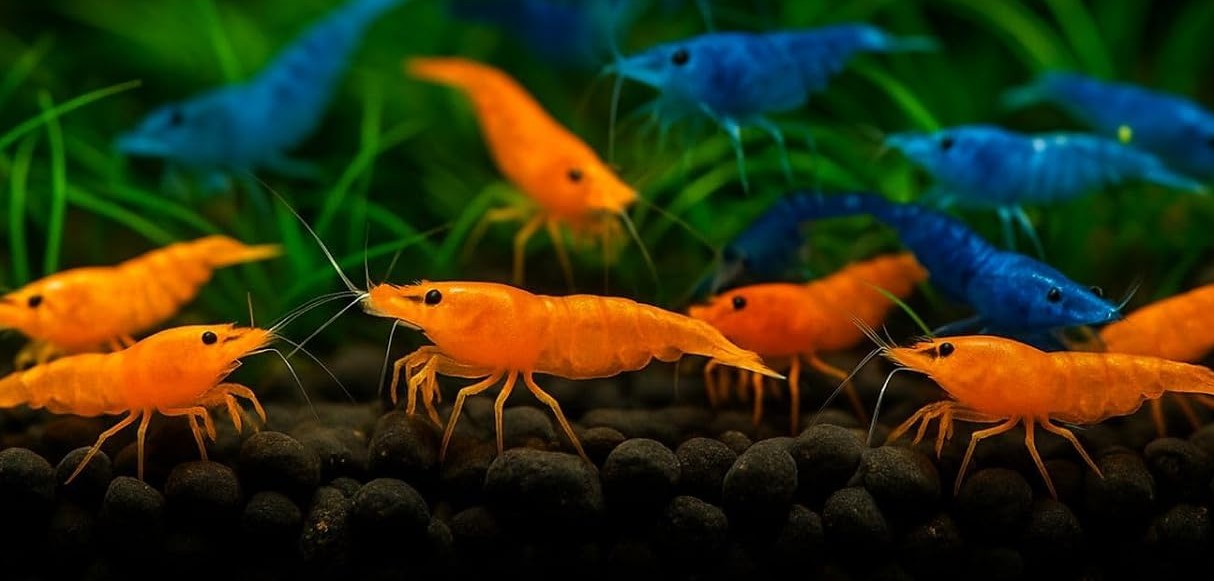
* Some snails and shrimp are becoming more active.
* Certain plants fold or change the position of their leaves.
Should You Leave Aquarium Lights on Overnight?
Leaving aquarium lights on 24/7 is a common beginner mistake.
Continuous lighting can interfere with fish resting patterns and cause unnecessary stress.
Fish need darkness to maintain their internal rhythms. If you want to watch your aquarium after dark, use a dim light briefly, then turn it off so your fish have a regular period of darkness.
Use a timer to turn lights on and off at the same time each day.
FAQs About Home Aquariums at Night
Question: Do fish sleep at night in an aquarium?
Answer: Yes. Many tropical aquarium fish enter a low-energy resting state at night, reducing movement and metabolism. They don’t close their eyes but become less active.
Question: Should aquarium lights be turned off every night?
Answer: Absolutely. Turning the lights off provides a regular dark period and helps prevent excessive algae growth.
Question: Do plants still produce oxygen at night?
Answer: No. At night, aquarium plants stop photosynthesis and instead consume oxygen while releasing carbon dioxide.
Question: Can I use night lights in my aquarium?
Answer: If you want to watch your aquarium after dark, use a dim light briefly, then turn it off so your fish have a regular period of darkness.
Author Bio: Don Glasgow - creator of this site
* I've been keeping fish for 24 years, including Discus, Angelfish, Betta Fish, Tiger Barbs, Bristlenose Plecos, Zebra Danios and many, many more.
* I've have been keeping planted aquariums for 23 of those 24 years. Plants I've kept include Java Fern, Sword Plants, Rosette Sword and more.