
The 10 Worst Aquarium Plants You Can Buy


1. Hygrophila polysperma (Indian Swampweed)

Image above: Indian Swamp Weed (Hygrophila polysperma)
Topping the list of aquarium nightmares is Indian Swamp Weed. Don’t let its bright green leaves fool you; this plant is a relentless invader. It grows an incredible 2.5 cm daily, with every tiny fragment capable of spawning a new plant.
It spreads in every direction, even flowering underwater or creeping out of your tank. Worse yet, it’s a federally regulated noxious weed in the U.S. and beyond. Its aggressive nature makes it nearly impossible to eradicate once established. Save yourself the legal trouble and the maintenance headache—steer clear of this one.
Additional Information
Hygrophila polysperma (Roxb.) T. Anders. (PDF)
https://species.wikimedia.org/wiki/Hygrophila_polysperma
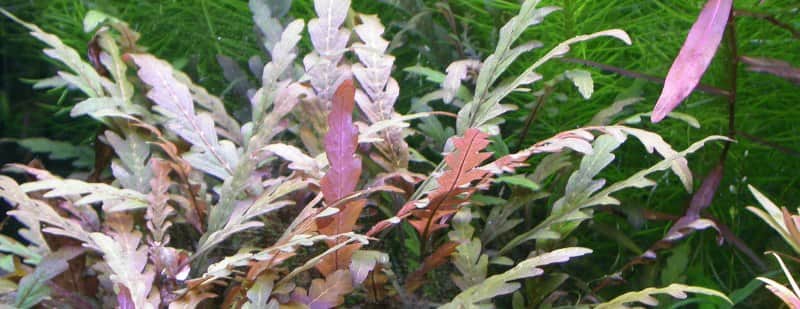
A better choice – Hygrophila pinnatifida – Tap image to buy.
Author Bio: Don Glasgow - creator of this site
* I've been keeping fish for 24 years, including Discus, Angelfish, Betta Fish, Tiger Barbs, Bristlenose Plecos, Zebra Danios and many, many more.
* I've have been keeping planted aquariums for 23 of those 24 years. Plants I've kept include Java Fern, Sword Plants, Rosette Sword and more.

Hygrophila pinnatifida
* Live arrival guaranteed
* Sellers beautiful Amazon webpage
* Bonus plant included with order

Tap this box to view current price.
2. Salvinia molesta (Giant Salvinia)
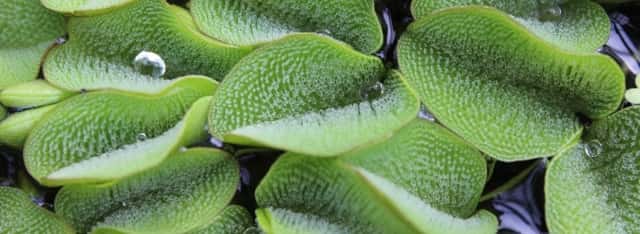
Giant Salvinia is the floating fern that will make you regret your hobby. While it looks delicate, it’s a biological powerhouse that doubles its biomass every few days, potentially exploding into an eight-foot mat in just months.
Its secret? Water-repellent “egg-beater” hairs that keep it buoyant and resistant to removal. In a tank, it forms dense chains that block light and choke out life. It’s so destructive globally that scientists use specialized weevils to fight it. Unless you want a maintenance nightmare that smothers your aquarium, stay far away from this aggressive invader.
More information:
https://plants.ces.ncsu.edu/plants/salvinia-molesta
Salvinia Molesta – includeds videos
A better choice: Red Tiger Lotus – Tap to view selection on Amazon
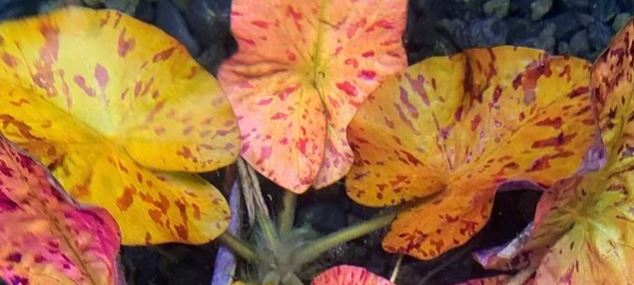
This plant can be purchased at this Etsy Store.
Do Your Own SEO
You Can Get My DIY SEO System For Only $17.
Why pay an SEO person hundreds per month when you can do it yourself?
Dear Website Owner,
As you read this bear in mind that I'm not some internet website Guru. I'm just an average guy who has figured out a little about website SEO.
You originally started your blog to make money. Now the website is just sitting there, kind of taking up space online and taking money out of your pocket every month. Been there, done that. For example, my aquarium blog has been around since 2019. I work on it for a while, then set it aside (again!).
About a year ago I started teaching myself SEO by watching hundreds of hours of YouTube videos. I then developed my own DIY SEO system—a simple system that almost anyone could use. I tried it and it worked.
Before you dismiss this, here are a few of my results (I use Bing search for this snapshot because I believe Google currently relies too heavily on A.I. and sponsored ads):
#4 for Chinese Algae Eater Care (plantedaquariumexpert.com/chinese-algae-eater)
#1 for Rosette Sword Plant (plantedaquariumexpert.com/rosette-sword)
#1 for What to Feed Your Chinese Algae Eater (plantedaquariumexpert.com/feed-chinese-algae-eaters)
Get more information by tapping this box.
3. Hydrilla verticillata (Hydrilla)

Known as “the perfect weed,” Hydrilla is a survivalist that transforms tanks into underwater jungles. It’s a multi-layered nightmare, producing tubers that hide in your substrate for up to four years. Growing an inch daily and reaching lengths of 25 feet, it thrives in low light and even uses bicarbonates when CO2 is low.
These dense mats choke water flow and wreck chemistry, making it nearly impossible to kill. Globally, it’s a million-dollar disaster that outcompetes everything in its path. Despite its hardiness, Hydrilla’s aggressive nature makes it a permanent “never buy” for any responsible aquarist.
A better choice – Rotala Blood Red – On Amazon: Tap the image

More information:
4. Egeria densa (Brazilian Waterweed)

Marketed as a helpful oxygenator, Brazilian Waterweed is actually a relentless space-invader. It can grow 6 cm daily, with leaves specialized to photosynthesize in just 1% light. This means it thrives even when shaded, quickly choking out your other plants.
Its real “talent” is fragmentation: a one-inch piece can spawn an entirely new colony. In the wild, it’s a disaster, slowing water flow by 80% and crashing oxygen levels. While its efficiency is impressive, the constant pruning and ecological risk make it a terrible choice. It’s not just a nuisance; it’s a high-maintenance hazard.
More Information:
https://plant-directory.ifas.ufl.edu/plant-directory/egeria-densa
https://ucjeps.berkeley.edu/eflora/eflora_display.php?tid=23849
A better Choice: Limnophila Heterophylla:


My pick for Best On Amazon for "Corydora Catfish":
Long Fin Panda Cory
Choice was based on:
* I've never seen a long fin corydora.
* Beautiful & somewhat unusual markings.
* Fish and seller have excellent reviews


Tap this box to view current price.
5. Pistia stratiotes (Water Lettuce)
The Light Thief

Water Lettuce looks like charming floating foliage, but it’s actually a light-blocking powerhouse. A single plant can spawn 15 offspring monthly, each developing massive 20-inch root systems. These rosettes overlap so tightly they can block 99% of incoming light, effectively plunging your lower plants into total darkness.
Beyond starving your tank of light, its dense root “curtain” kills water flow. It’s so aggressive that it’s a banned species in many regions, where it chokes waterways and causes massive fish kills. Unless you want a tank in permanent shadows, skip this high-maintenance invader.
More information on Water Lettuce:
https://en.wikipedia.org/wiki/Pistia
https://nas.er.usgs.gov/queries/FactSheet.aspx?SpeciesID=1099
The phytogeography and genetic diversity of the weedy hydrophyte, Pistia stratiotes L.
Shop Moneywort on Amazon by tapping the image.

6. Myriophyllum aquaticum (Parrot Feather)

Parrot Feather is a deceptive beauty that refuses to stay submerged. Growing up to six feet long, it eventually breaks the surface to form thick, waxy stems that are nearly indestructible. With a growth rate of 10 cm per week and over 20 nodes per stem—each capable of starting a new colony—it’s a management nightmare.
It even survives winter by forming hardy root crowns, ready to explode come spring. In the wild, it creates stagnant mosquito havens and chokes waterways. Its aggressive, amphibious nature makes it a high-risk invader that simply doesn’t belong in your tank.
https://plant-directory.ifas.ufl.edu/plant-directory/myriophyllum-aquaticum
https://plant-directory.ifas.ufl.edu/plant-directory/myriophyllum-aquaticum
A Better Choice – Java Fern – Tap image to view Java Ferns on Amazon:


7. Ceratophyllum demersum (Coontail)

Image above is provided by Wikipedia
Often sold as a friendly “oxygenator,” Coontail is a hidden nightmare for aquarists. Because it lacks true roots, it floats freely and anchors anywhere, growing up to 5 cm daily.
The real trouble? It fragments easily—each tiny piece becomes a new plant—and its dense whorls trap debris, wrecking your water quality. Worst of all, it uses “chemical warfare” (allelopathy) to stifle your other plants. While it seems harmless in pet stores, this aggressive invader quickly takes over. It might be common in the hobby, but for most tanks, it’s just not worth the headache.
Additional information on the Coontail plant:
Coontail | Ceratophyllum demersum
Flora of the Southeastern United States
Amazon Sword Plant – Tap image to view selection

My pick for Best On Amazon for "Tiger Lotus":
Red Tiger Lotus
from Markus Fish Tanks (An Amazon aquarium plant store)
Choice was based on:
* Includes 3 bulbs
* Seller is very customer oriented
* This plant has a rating of 4.6 stars from 114 reviews(!)


Tap this box to view current price.
8. Lemna minor (Duckweed)

They say getting duckweed is a choice, but keeping it is a life sentence. This tiny floater seems harmless until it doubles its population every 24 hours, potentially producing 17,500 offspring in a fortnight.
Its size is its secret weapon; at just 2mm, it slips through nets and clings to equipment, making total removal a nightmare. Beyond blocking light, it signals nutrient imbalances and smothers natural waterways. While it’s a great “nutrient sponge,” the relentless maintenance makes it a hobbyist’s greatest regret. Trust me: choose a floating plant that doesn’t require a permanent battle strategy.
More info:
Effects of Nutrient Availability on Growth Rate Capacity of Lemna Minor
A better choice – Java Moss ⇐ Tap here or the image to shop Java Moss

9. Alternanthera philoxeroides (Alligator Weed)

Originally an ornamental choice, Alligator Weed is now a hobbyist’s nightmare. This “amphibious invader” thrives both underwater and on land, growing 15 cm weekly. Its hollow stems act as flotation devices, allowing even tiny fragments to drift and start new colonies.
The real danger lies beneath the surface: extensive rhizomes dig 50 cm deep into your substrate, making removal nearly impossible. Globally, it’s a costly disaster, clogging waterways and increasing flood risks. With its aggressive growth and regulated status, this is one plant that definitely doesn’t belong in your tank.
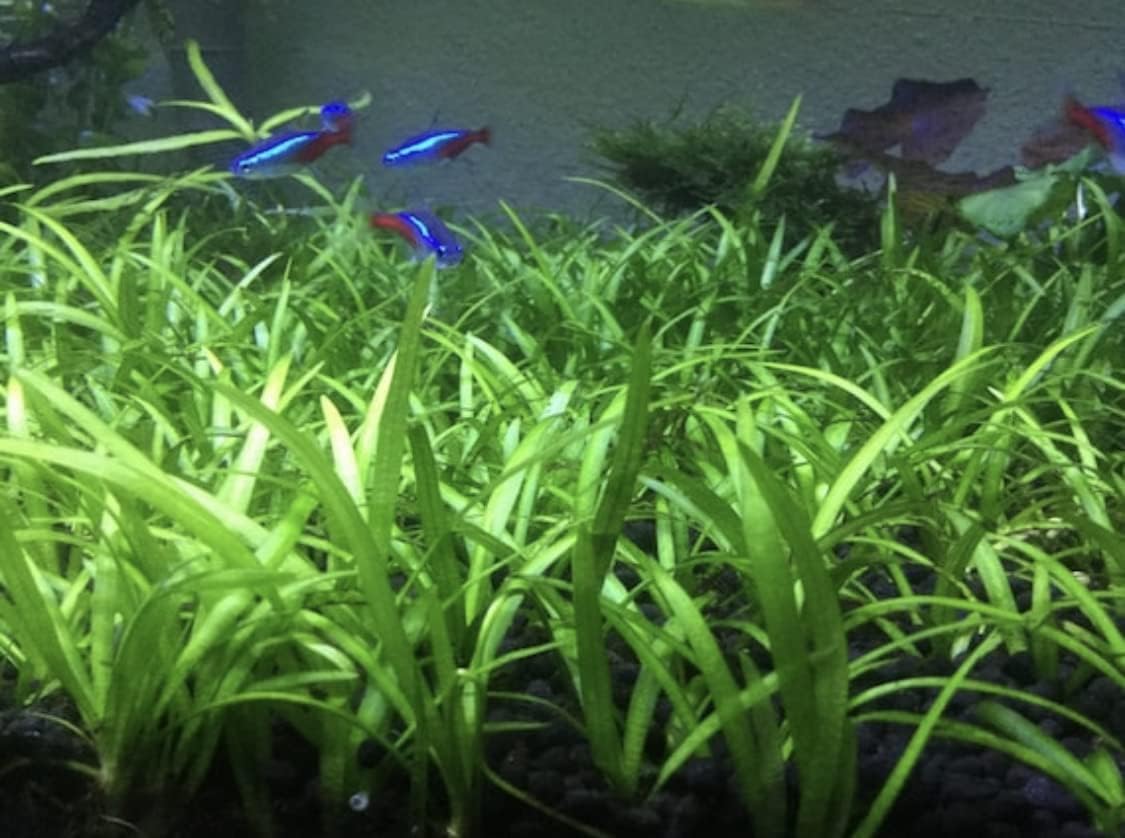
A better choice: Dwarf Sagittaria Subulata:
Tap here or image to view on Amazon.com
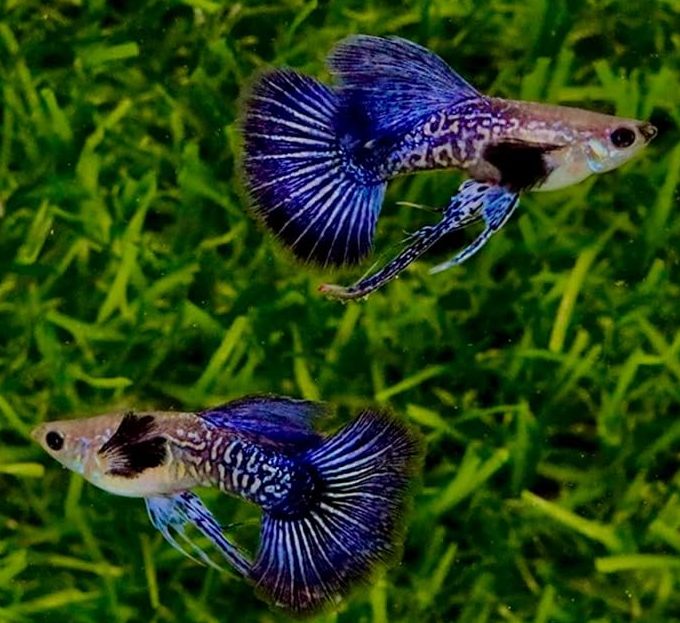
My pick for Best of Amazon "guppy fish"
Blue Dragon Guppies
⇒ Beautiful blue snake skin colors
⇒ Large tailfins
⇒ This fish has excellent ratings
Tap this box to view current price.

10. Cabomba caroliniana (Carolina Fanwort)

Carolina Fanwort stays popular for its delicate, fan-like leaves, but its beauty hides a maintenance monster. Growing 2 cm daily and reaching lengths of 10 meters, its thread-like segments are magnets for detritus and filter-clogging debris.
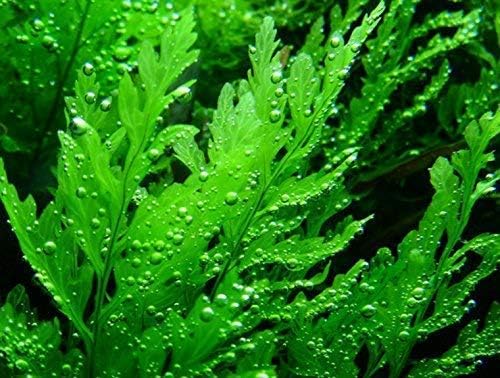
Survival is its specialty: a tiny 1 cm fragment can spawn a new plant, and it produces dormant winter buds that hide in your substrate for months. Globally, it’s a costly invader that crashes oxygen levels and chokes native ecosystems. While it looks graceful, the constant pruning and risk of it escaping into the wild make it an irresponsible choice for any tank.
Cabomba caroliniana – Wikipedia
Invasive plants of New England
A different and better choice:
Echinodorus ‘Red Flame’ – Rare Amazon Sword. Tap image to shop

My pick for Best On Amazon for "Planted Aquarium Light":
Hygger Advanced LED Aquarium Light
Choice was based on:
⇒ Number one is that I own three of these lights. They are tried and true.
⇒ Great reviews: 4.5 stars, 3247 total reviews
⇒ Programmable
⇒ Tap this box to view current price

Tap this box to view current price.

How to tell if you’ve purchased one of the 10 worst aquarium plants
Picture this: You’re standing in front of your beautifully arranged aquarium, admiring the careful balance of fish, decorations, and plants you’ve cultivated over months. Then you notice something isn’t quite right. That innocent-looking plant you added last week has somehow quadrupled in size, choking out your other plants and clogging the filter. Your pristine aquascape is quickly becoming an underwater jungle, and not in a good way.
This scenario plays out more often than you might think in the aquarium hobby. While aquatic plants can transform a tank into a stunning underwater garden, some species are nothing short of aquatic menaces. These botanical troublemakers can rapidly overtake an aquarium, alter water chemistry, harm fish, and prove nearly impossible to eliminate once established.
The problem isn’t just aesthetic. Problematic aquarium plants can impact every aspect of your tank’s ecosystem. They can block essential light from reaching other plants, deplete vital nutrients, interfere with equipment functionality, and even alter oxygen levels. Some species are so invasive that they’re banned in certain regions, and for good reason – escaped aquarium plants cause millions of dollars in environmental damage to natural waterways each year.
What makes identifying these problematic plants particularly challenging is that many are still widely available in the aquarium trade. Some are even marketed as “beginner-friendly” or “oxygen-generating” species, despite their potential to become aggressive invaders. Others might appear manageable in store display tanks but reveal their true nature once established in home aquariums.
In this comprehensive guide, we’ll explore the ten most problematic plants you should never add to your aquarium. From the deceptively cute duckweed to the aggressively spreading Brazilian waterweed, we’ll examine why these plants earned their place on the “worst of” list and why even experienced aquarists avoid them.
Making Informed Choices for Your Aquarium
The 10 worst aquarium plants we’ve examined share several concerning characteristics: explosive growth rates, multiple reproductive strategies, and the ability to drastically alter aquarium conditions. While their rapid growth and hardy nature might seem appealing, especially to beginners looking for “easy” plants, these same traits make them problematic in confined aquarium spaces.
More importantly, these plants represent a broader responsibility we have as aquarium keepers. Many of the worst aquatic plant invasions worldwide started with aquarium releases. The cost of managing these plants in natural waterways runs into millions of dollars annually, with some ecosystems permanently altered by their presence.
Fortunately, the aquarium hobby offers many alternatives that provide similar benefits without the risks. For oxygenating plants, consider species like Pogostemon stellatus or Rotala rotundifolia. If you’re looking for floating plants, Salvinia minima or Limnobium laevigatum (Amazon Frogbit) offer similar benefits with more manageable growth rates. For background plants, species like Hygrophila corymbosa or Vallisneria americana provide excellent options that remain controllable.
The key to successful aquascaping isn’t finding the fastest-growing plants, but rather selecting species that complement your aquarium’s ecosystem while remaining manageable for long-term maintenance. By making informed choices about the plants we keep, we can create beautiful, sustainable aquariums while protecting our waterways.
Other pages on this site:
⇒ 5 easiest fish for beginners
⇒ Planted aquarium without substrate
⇒ How to keep freshwater shrimp
⇒ 10 fast growing plants to help control algae in the planted aquarium
⇒ Taking photos of your aquarium using your smartphone
⇒ Aquarium Hobbyist Books & Gifts
⇒ My Top 3 Steps To Have Healthy Fish and A Healthy Aquarium

My Choice For Best On Amazon, "Platies"
SunBurst Platy

Tap this box to view current price.
- From the seller:
✅ Sunburst Platy, scientifically known as Xiphophorus maculatus, is a vibrant and attractive species of livebearer fish - ✅ They are named "Sunburst" due to their stunning coloration, which includes shades of yellow, orange, and red, reminiscent of a radiant burst of sunlight
- ✅ Sunburst Platys are known for their peaceful temperament, making them ideal for community aquariums with other peaceful fish species
- ✅ These fish are relatively small in size, reaching an average length of 2.5-3 inches (6-8 cm), making them suitable for smaller aquariums
- ✅ Sunburst Platys have adaptable water parameter requirements, but they generally prefer temperatures between 72-82°F (22-28°C) and a pH level of 7.0-8.0