The 5 Best Aquarium Fish for Beginners Who Want a Successful First Aquarium
Guppies
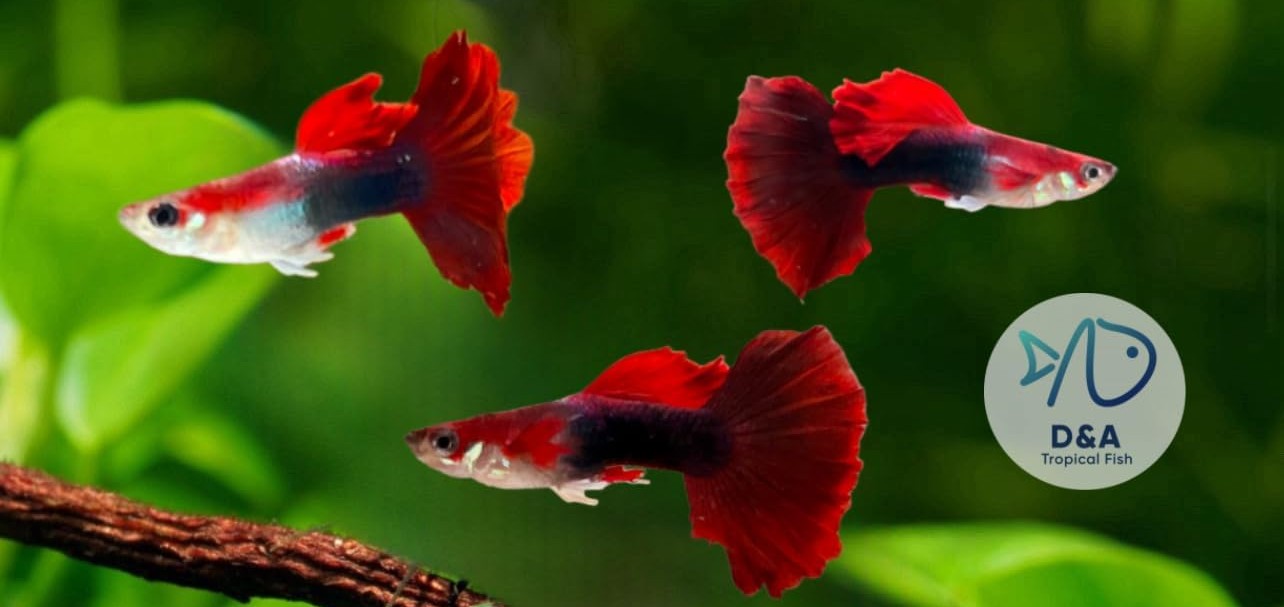
Image Above: Half Red Guppies from D&A Tropical Fish – An Amazon Live Fish Store. Tap to view price.
Guppies Turn Aquariums Into Art Pieces
Guppies are colorful, active fish with elaborate tails. Even a simple tank can look impressive with a few guppies swimming around.
They’re Fun to Feed
Guppies eat a variety of foods. A quality flake or pellet food formulated for tropical fish should be their main diet, with occasional treats like brine shrimp, daphnia, or blanched vegetables.
They’re usually eager to eat, making feeding time entertaining.
They’re Friendly
Guppies are peaceful and get along with many small community fish. They can live with some shrimp, although they may eat baby shrimp (not so friendly I guess).
Ease of Care
Guppies are fairly easy to care for, making them popular with beginners.
They need a properly cycled aquarium, filtration, stable water conditions, and regular water changes. A heater can help maintain the temperature of around 74–82°F.
They’re hardy fish, but poor water quality can still cause problems.
Negatives
Guppies breed rapidly. Females can give birth to dozens of fry about every four weeks and can store sperm after mating.
If you don’t want babies, consider keeping an all-male group. You can also add a predator fish, like Angelfish, to keep the populations in check.
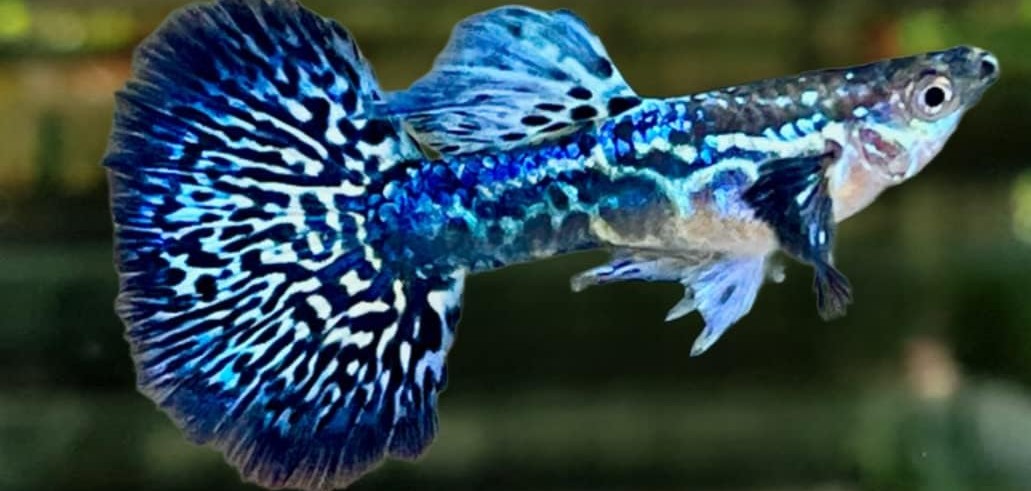
Image above: Blue/Green Dragon Indo Mosaic Guppy from D&A Tropical Fish
An Amazon Live Fish Store. Tap to view price.
Betta Fish
Why I Like Them
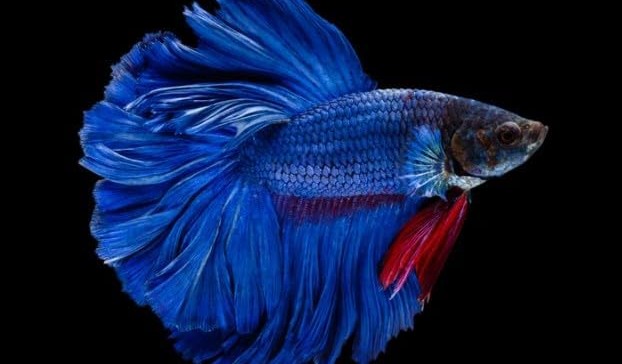
With Betta Fish life is all about pleasing personalities, (usually) bright colors and long fins. Beside they are easy to care for.
They Have Great Personalities
Bettas are curious fish that enjoy exploring their aquarium. Some even learn to recognize the person who feeds them and swim over when they approach.
They’re Fun to Feed
Bettas are carnivores that primarily eat small insects and other tiny animals in the wild. A quality betta pellet should be their main food, with occasional treats like frozen or live brine shrimp.
Ease of Care
Bettas are good beginner fish when their basic needs are met. They need a heated, filtered aquarium with stable water conditions, ideally around 78–80°F.
A 5-gallon tank is a reasonable minimum for a single betta, although larger is better. Regular water changes are still necessary.
Betta Fish Negatives
Male bettas are territorial and should not be housed together. Some will tolerate peaceful fish or shrimp, while others will attack anything that moves.
Their long fins can also make them targets for fin-nipping fish.
If you’re new to keeping bettas, starting with one betta in its own aquarium is usually the simplest choice.
Note: I kept a female betta only sorority tank for a long time. Female bettas won’t attack each other and they can be very attractive.
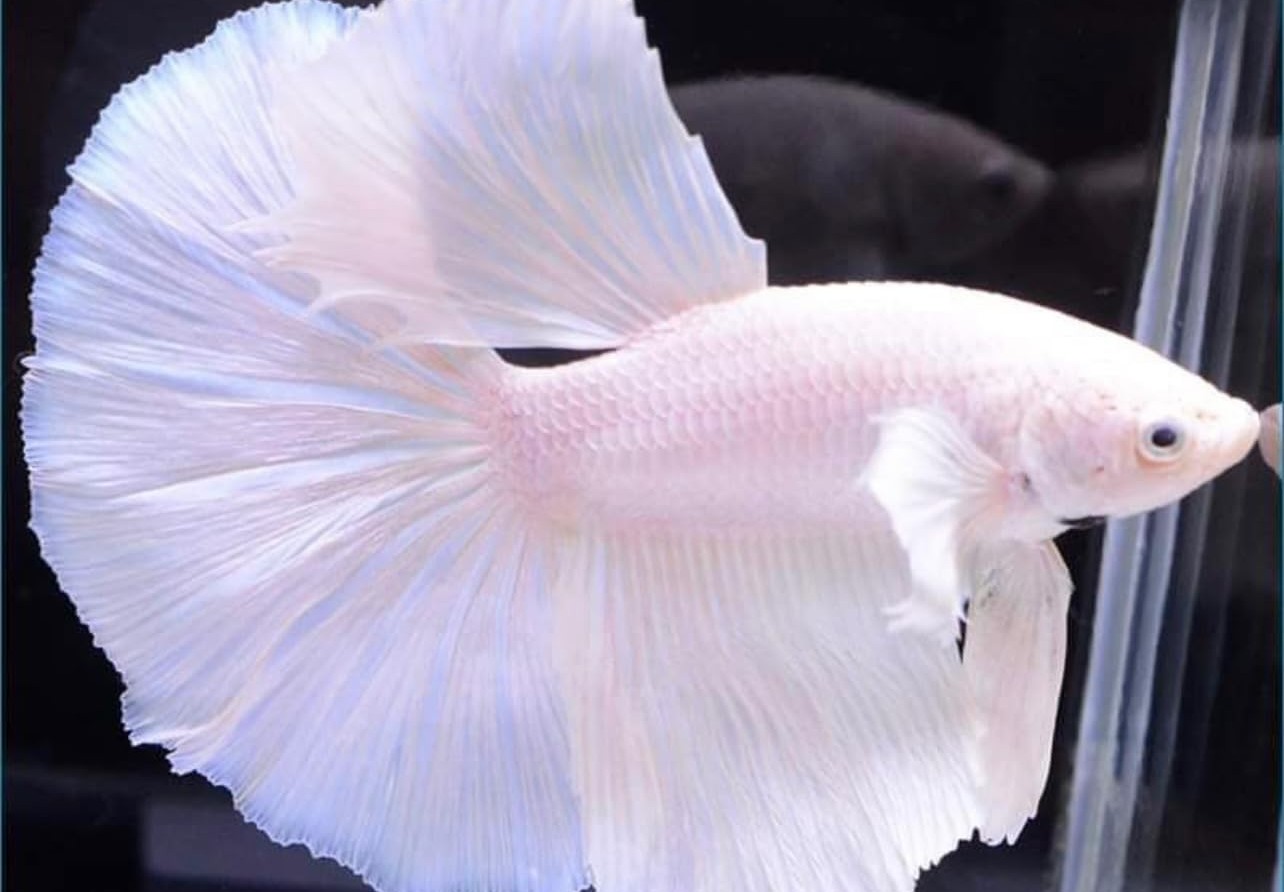
Image above: White male betta from D&A Tropical, an Amazon Live Fish Store. Tap here it view price.
Angelfish
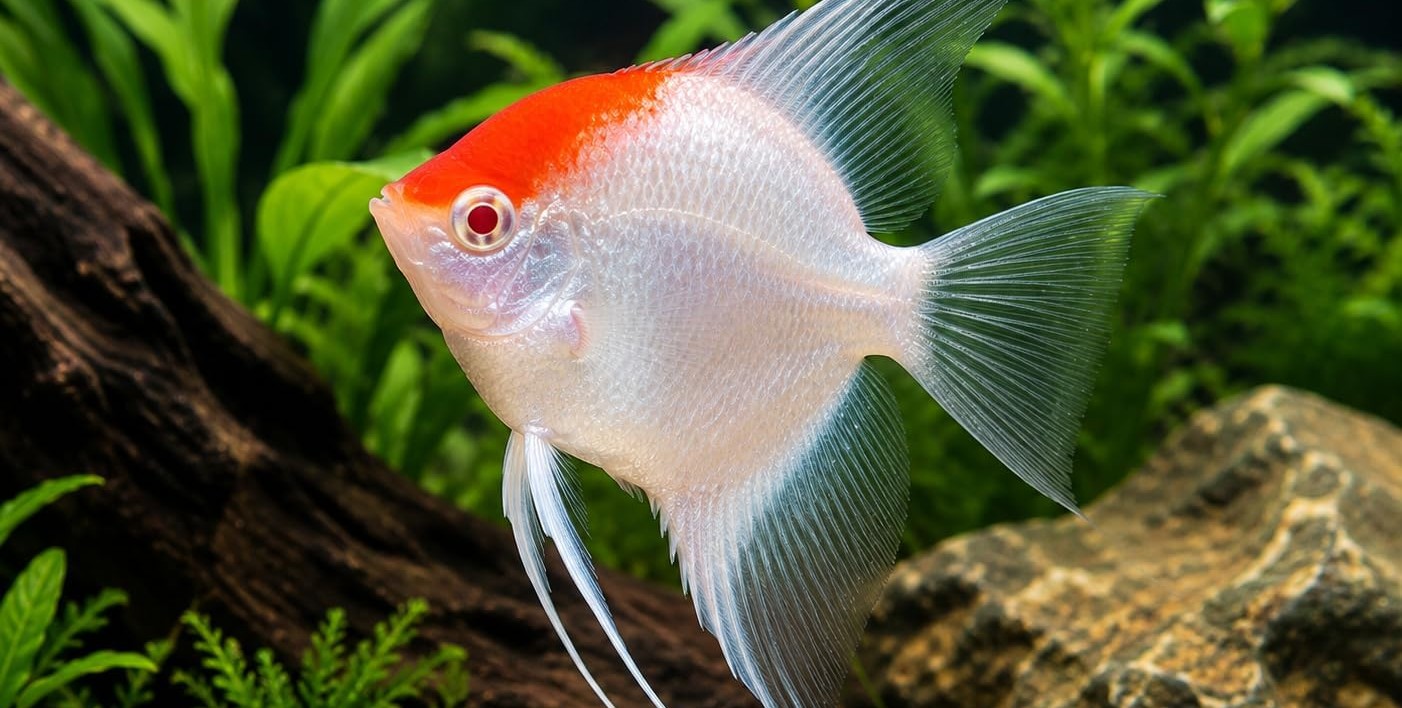
Image above: Red Cap Albino Angelfish – From The Live Fish Amazon Store. Tap here for price.
Why I Like Them
Angelfish are some of the most beautiful freshwater fish I’ve kept. With their tall bodies and long, flowing fins, they look like they belong in an expensive aquarium.
Fortunately, they don’t know how much I paid for them.
I do know that the price range, with shipping, for one angelfish from Amazon starts at a low of about $20 and goes up to $70.
They Have Great Personalities
Angelfish are curious, intelligent fish that quickly learn who feeds them.
Mine seem to know when I’m approaching the aquarium. They come swimming over like they’ve been starving for weeks, even though I fed them that morning.
They’re Usually Peaceful. Usually.
Young angelfish often get along with other peaceful fish. But as they mature, some become territorial, especially when breeding.
They may also eat smaller fish that fit in their mouths.
So, if you’re planning to keep angelfish with neon tetras, don’t be surprised if your fish population mysteriously decreases.
Ease of Care
Angelfish aren’t difficult to care for once you understand their needs, but I wouldn’t put them in the same beginner category as guppies.
They need a tall aquarium with plenty of swimming room. I’d recommend at least 29–30 gallons for one angelfish, with a larger tank for a group.
Keep the water around 76–82°F, provide good filtration, and maintain stable water conditions.
They’re omnivores and will eat quality flakes or pellets, along with occasional frozen or live foods such as brine shrimp
Negatives
Angelfish grow much larger than most beginners expect, sometimes reaching six inches in body length and considerably more in height, including their fins.
They can become aggressive toward other angelfish or tankmates, especially when spawning.
And remember those beautiful, flowing fins? Some fish think they’re chew toys.
If you have room for a properly sized aquarium and choose tankmates carefully, angelfish can be rewarding fish to keep.
Authors note: If I were buying an angelfish today I would only get one. That way the spawning rituals won’t be an issue for the other fish in the tank.
If you just have to have several angelfish in a tank, decide how many you eventually want. Then as the females of the group grow and spawn you take them out and give them to your local fish store. Eventually all you have in your aquarium are male angelfish and no spawning problems.
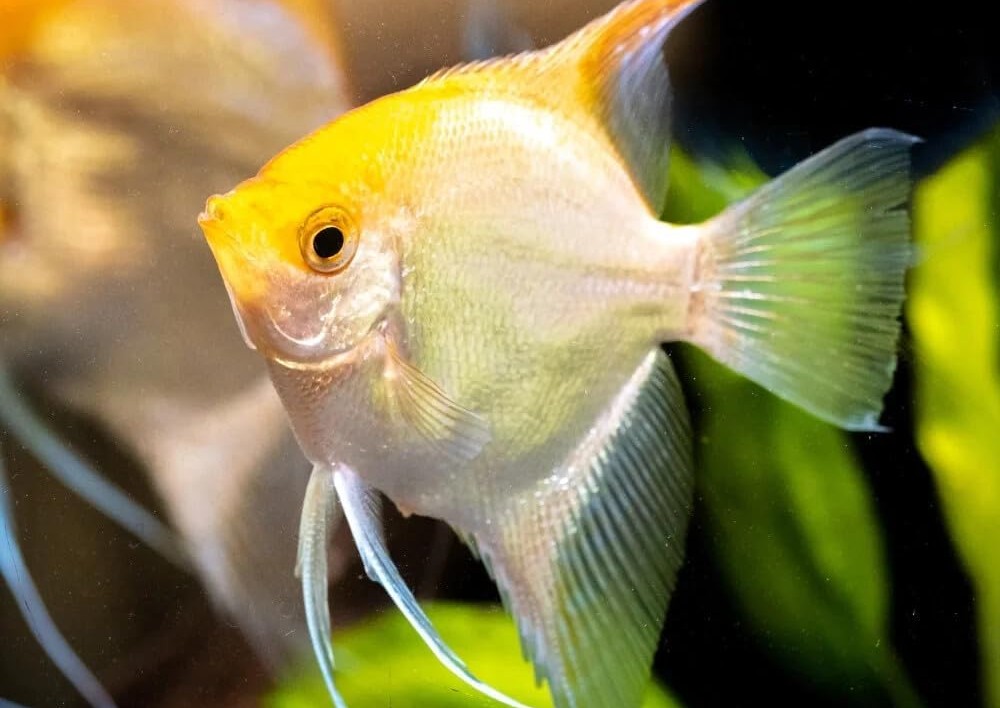
White Gold Angelfish 4-pack – From Santboz, an Amazon live fish store
Author Bio: Don Glasgow - creator of this site
* I've been keeping fish for 24 years, including Discus, Angelfish, Betta Fish, Tiger Barbs, Bristlenose Plecos, Zebra Danios and many, many more.
* I've have been keeping planted aquariums for 23 of those 24 years. Plants I've kept include Java Fern, Sword Plants, Rosette Sword and more.


My pick for Best of Amazon "guppy fish"
Blue Dragon Guppies
⇒ Beautiful blue snake skin colors
⇒ Large tailfins
⇒ This fish has excellent ratings
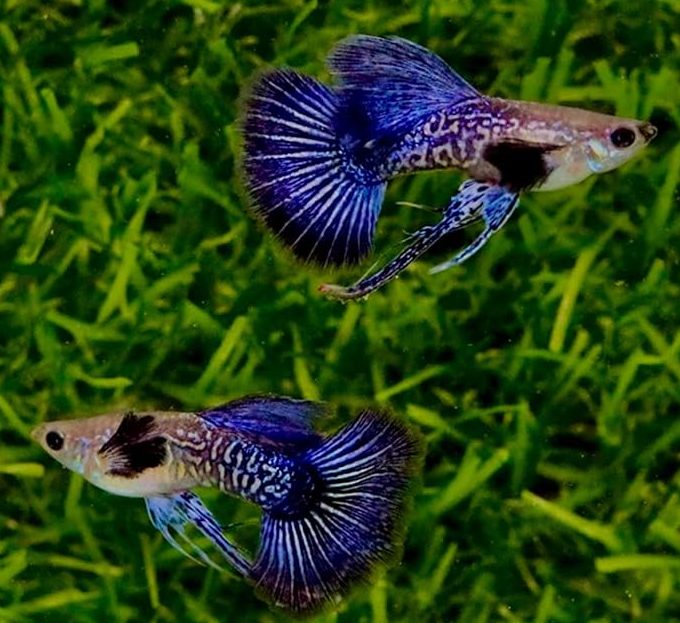
Tap this box to view current price.
Platies
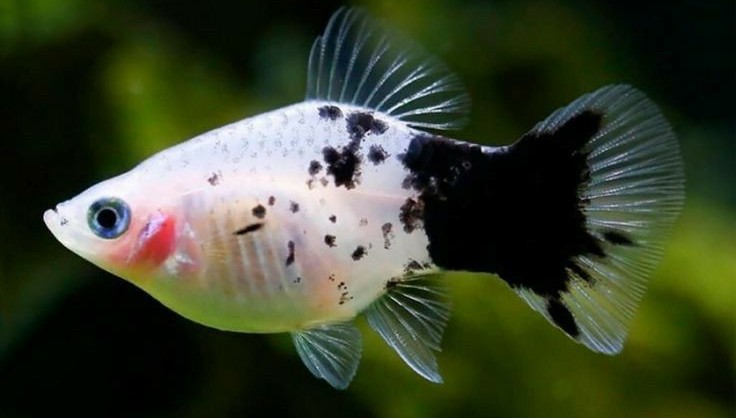
Image above: Panda Platy – From The Live Fish, Amazon Store. Tap for price.
Color, Color, and More Color
Platies come in bright oranges, reds, yellows, and even combinations of colors that look like somebody couldn’t decide which paint to use.
I have platies in my own aquarium, and they’re constantly swimming around showing off. Fortunately, they haven’t figured out how to charge admission.
They’re Hardy and Forgiving
One reason I recommend platies to beginners is that they’re relatively hardy fish.
They can adapt to a range of water conditions, although they prefer stable, slightly alkaline water. They’re forgiving of some beginner mistakes, but that doesn’t mean you can forget about water changes.
They Breed Like Nobody’s Business
Platies are livebearers, meaning females give birth to swimming baby fish instead of laying eggs.
And they don’t waste much time doing it.
A female can produce dozens of fry roughly every four weeks. She can also store sperm, so separating males and females doesn’t always stop the surprises immediately.
If you don’t want a tank full of baby platies, consider keeping an all-male group rather than introducing predator fish to control the population.
Ease of Care
Platies do well in a properly cycled aquarium with filtration and stable water conditions. I recommend at least a 20-gallon tank for a small group.
They generally do well at temperatures around 72–78°F.
They’re omnivores and happily eat quality flakes or pellets, along with occasional treats like brine shrimp and blanched vegetables.
Negatives
Breeding is probably the biggest drawback. A few platies can turn into a lot of platies before you know it.
Males may also chase females persistently, so mixed groups need an appropriate balance of males and females.
Otherwise, they’re peaceful community fish that usually get along with other similarly sized, nonaggressive species.
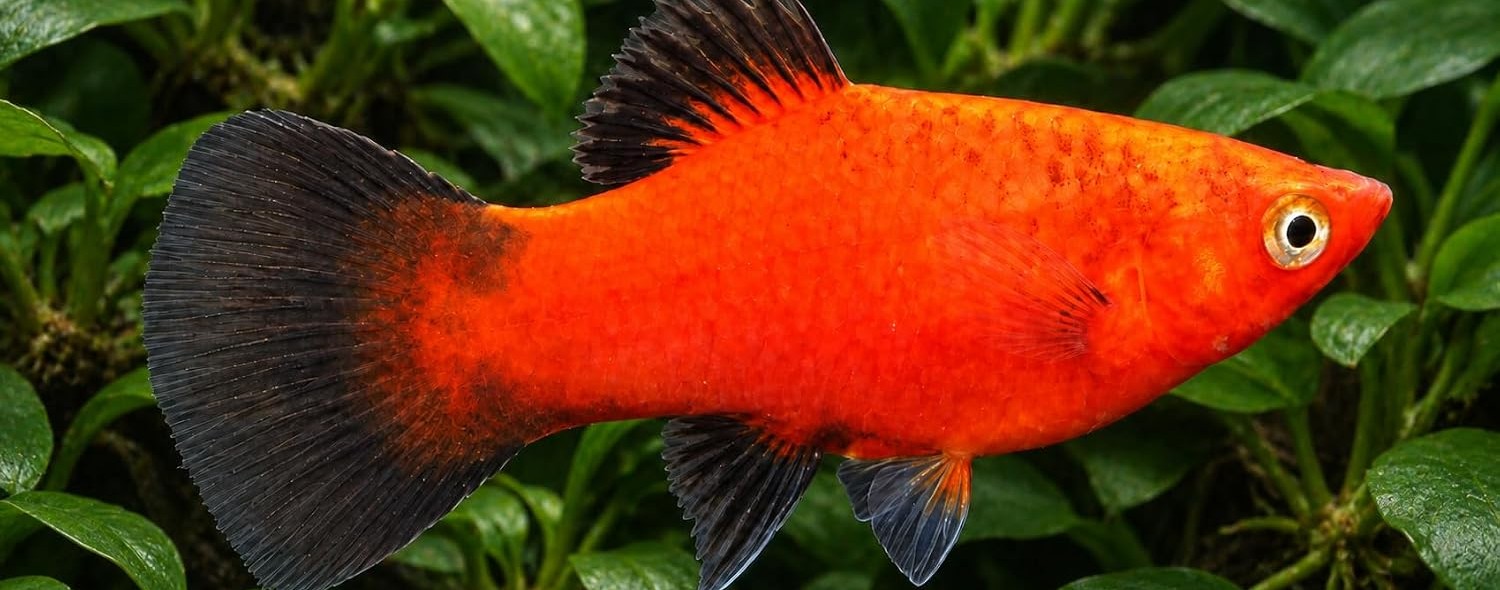
Image above: Red Wag Platy – From The Live Fish, Amazon Store. Tap here or image for price.
Corydoras Catfish
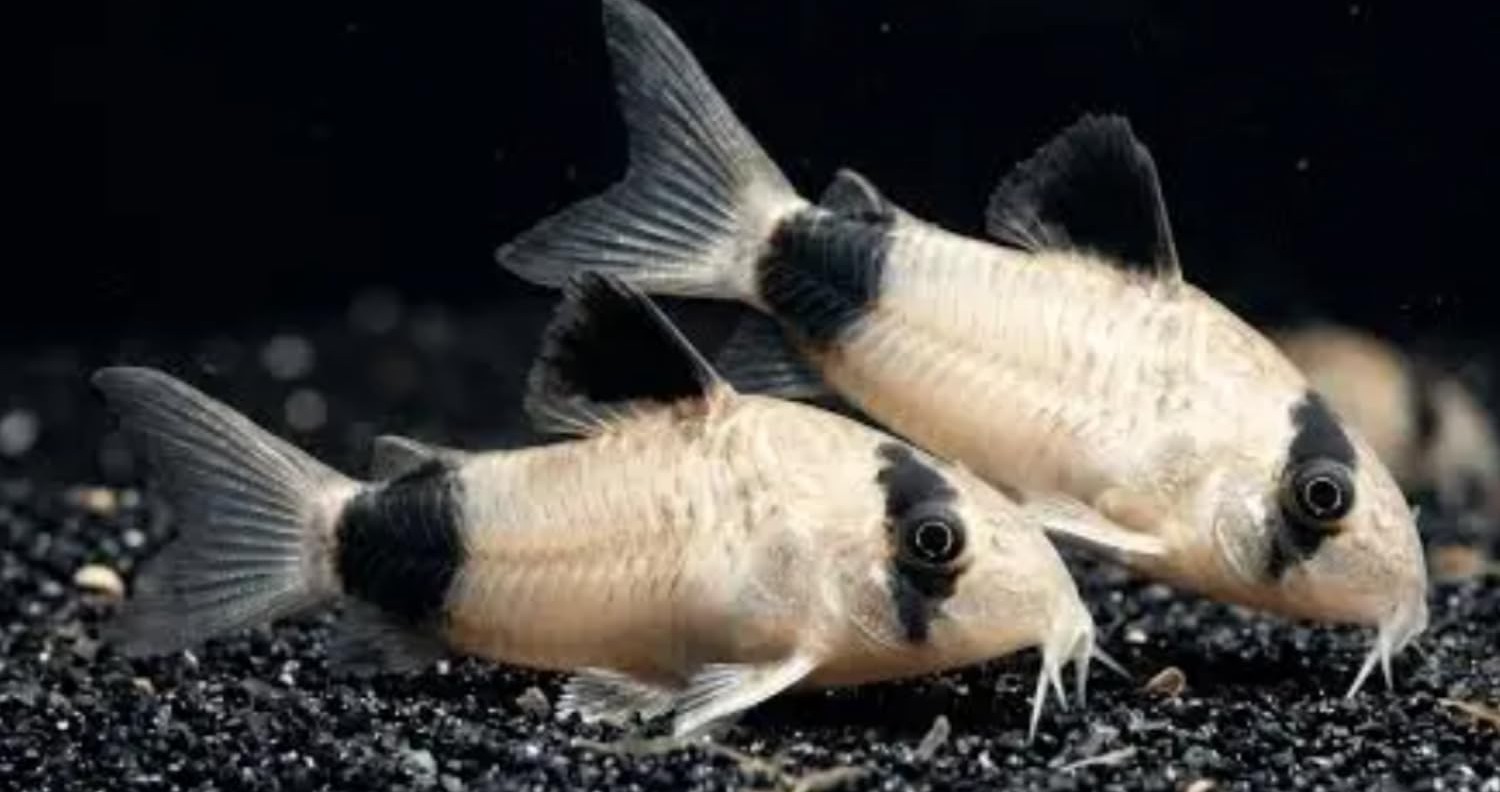
Why I Like Them
They’re Peaceful, Cute, Little Bottom Dwellers.
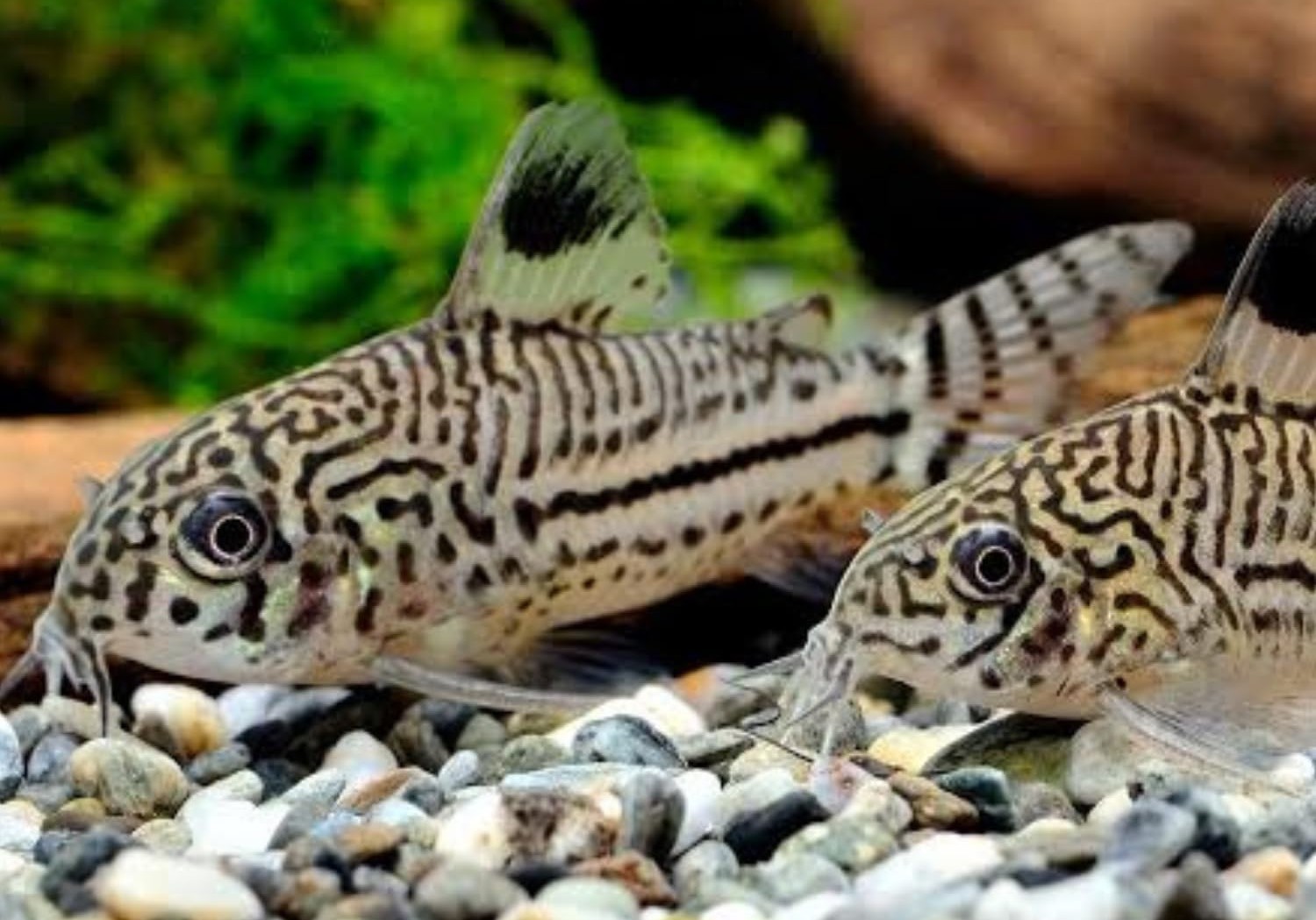
Corydoras catfish, often called Cory cats, spend much of their time searching the bottom of the aquarium for food. They’re peaceful, entertaining, and generally get along with other community fish.
They’re More Fun in Groups
Cory cats are social fish that do best in groups of at least six of the same species. Watching a group explore the aquarium together is half the fun of keeping them.
They’re Relatively Easy to Care For
Most commonly kept Corydoras do well in a mature, properly maintained aquarium. Water temperature depends on the species, but many prefer temperatures around 72°F to 78°F.
Feed them sinking pellets or wafers, along with occasional frozen or live foods. Don’t expect them to survive on leftovers from other fish.
Negatives
Cory cats need clean water and smooth sand or fine, rounded gravel to protect their sensitive barbels.
They also need company. Buying just one Cory cat isn’t a good idea, even if it looks perfectly happy sitting by itself. If it were me I would buy 10. 10 are better than 1 because they 10 times more cute to your tank.
And despite their reputation as a clean-up crew, they still produce waste. Unfortunately, nobody has invented a fish that vacuums the aquarium and takes out the trash.
Summing Up
We’ve covered a lot, so let’s wrap up everything mentioned:
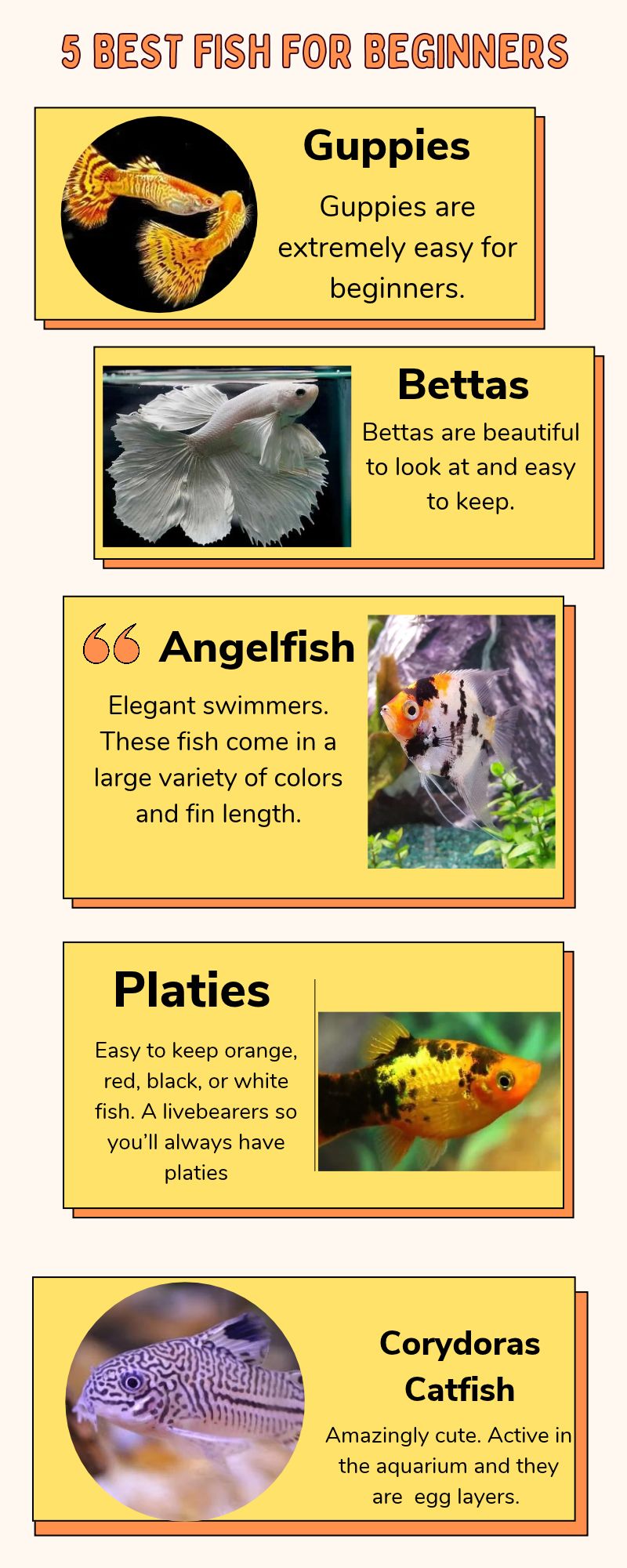
If you are going for color, choose guppies, bettas, or platies.
If you want multiple colorful fish – choose guppies or platies
If you want a single fish – choose a betta or an angelfish
If you want a low maintenance fish – choose guppies
Best Beginner Fish by Tank Size – Aqueon.com
Article summary by ChatGPT:
Summary: Best Beginner Fish by Tank Size (Aqueon)
The article explains how beginners can choose freshwater aquarium fish based on tank size, adult fish size, temperament, and compatibility.
-
5–10 Gallons: Small fish such as guppies, platies, small tetras, and certain Corydoras catfish. Avoid overcrowding and larger species.
-
20–50 Gallons: More choices, including gouramis, tiger barbs, fancy goldfish, bristlenose plecos, swordtails, and mollies.
-
55–120 Gallons: Suitable for many cichlids, larger danios, rainbowfish, and redtail sharks. Territorial behavior and aggression become important considerations.
-
125+ Gallons: Can accommodate large fish such as Oscars, Uaru cichlids, and certain large catfish. Some require specialized care.
-
Fish Compatibility: Choose species that can live together peacefully. Some fish need groups, while others become territorial.
-
Feeding: Bottom-dwelling fish need their own food rather than relying on leftovers or algae.
-
Planning Ahead: Consider adult size, breeding habits, swimming space, and long-term care before purchasing fish.
Main takeaway: The best beginner fish aren’t necessarily the smallest or most colorful. They’re the ones suited to your aquarium’s size, water conditions, and the other fish you intend to keep.
One caution: Some of the article’s recommendations for 5–10 gallon aquariums are questionable, particularly zebra danios, serpae tetras, and larger Corydoras. These generally benefit from more swimming space than the article suggests.
Other pages on this site:
⇒ 5 easiest fish for beginners
⇒ Planted aquarium without substrate
⇒ How to keep freshwater shrimp
⇒ 10 fast growing plants to help control algae in the planted aquarium
⇒ Taking photos of your aquarium using your smartphone
⇒ Aquarium Hobbyist Books & Gifts
⇒ My Top 3 Steps To Have Healthy Fish and A Healthy Aquarium